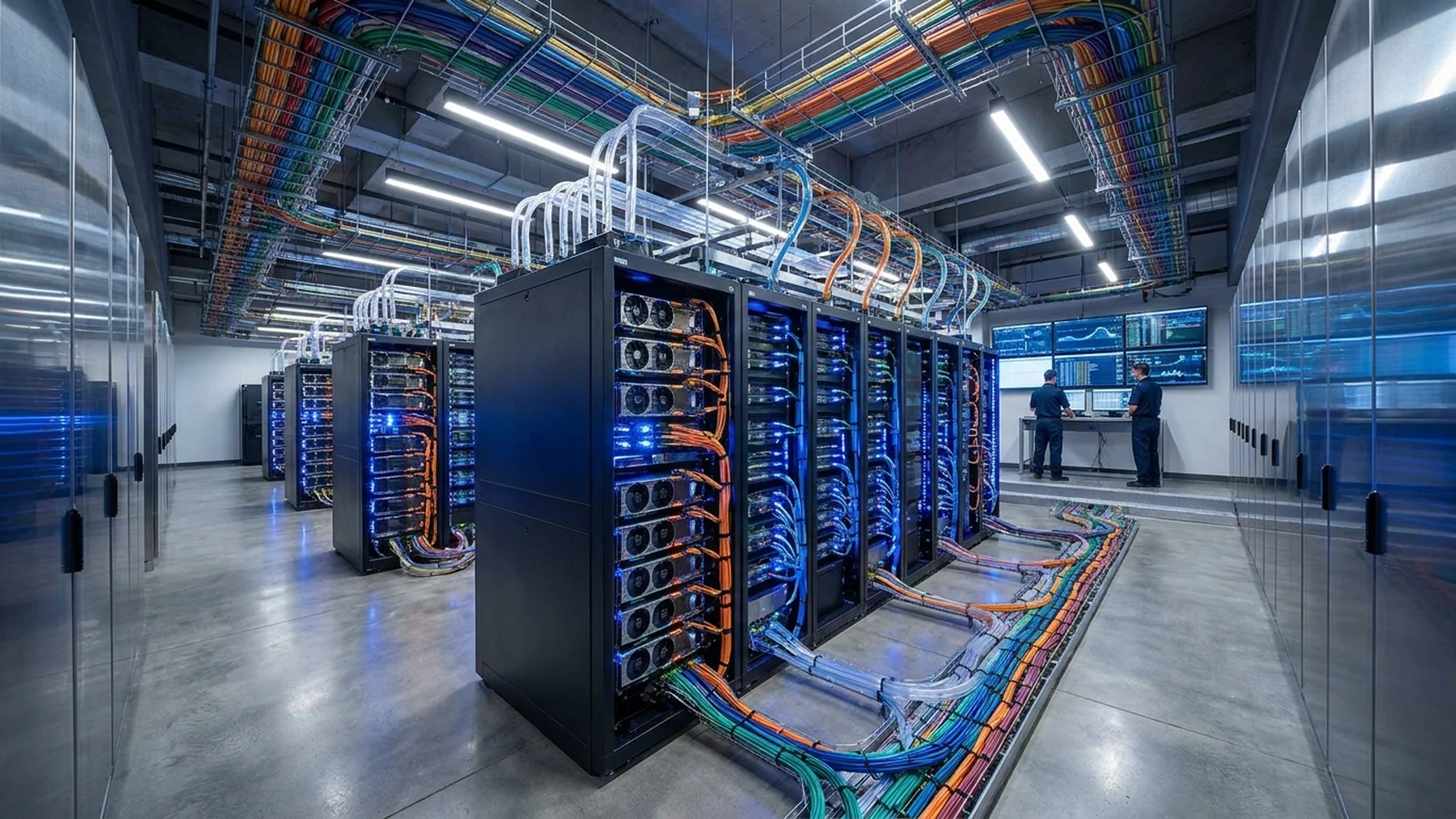
Exploring Energy Efficient Mining Techniques in Cryptocurrency
Table of Contents
Discover energy-efficient mining techniques for cryptocurrency to reduce costs and environmental impact while balancing profitability and sustainability.
Cryptocurrency mining, especially bitcoin mining, is crucial to the crypto ecosystem. However, it often faces criticism for its high energy consumption. Implementing energy efficient mining techniques can help miners reduce both costs and environmental impact. This article explores various aspects of crypto mining, including its workings, profitability, and ways to optimize energy use. As the demand for cryptocurrencies grows, finding sustainable ways to mine is not just beneficial but necessary. From hardware choices to renewable energy adoption, the strategies here aim to balance profitability with environmental responsibility.
Understanding Crypto Mining and Proof of Work
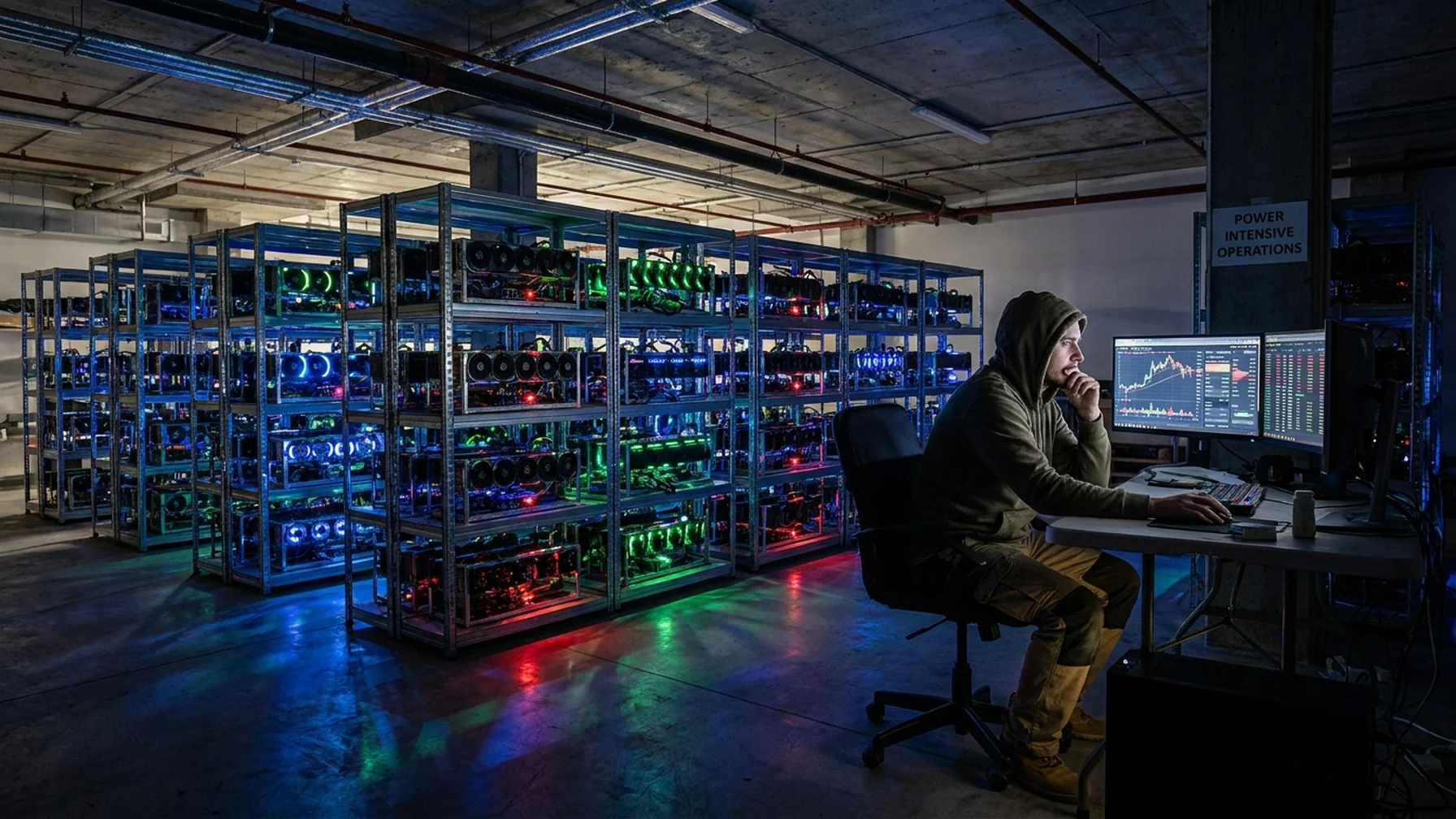
Crypto mining involves verifying transactions on a blockchain network. For bitcoin, this process uses a consensus mechanism known as Proof of Work (PoW). Miners solve complex mathematical problems to add transaction blocks to the blockchain, earning rewards in return. This process requires significant computing power, leading to high electricity consumption. For example, in 2020, the Bitcoin network's energy use was compared to small countries, highlighting the need for more energy-efficient solutions.
Calculating Mining Profitability
To assess mining profitability, miners should calculate their potential earnings against expenses. This includes electricity costs, hardware expenses, and pool fees. Online calculators can help estimate profitability by considering these variables and the current mining difficulty.
- Identify your electricity costs per kilowatt-hour.
- Determine the total power consumption of your mining hardware.
- Calculate your hardware costs and depreciation over time.
- Include any pool fees associated with mining pools.
- Use an online calculator for an estimate.
Following these steps gives miners a clearer picture of potential profits, helping them make informed operational decisions.
Energy Efficient Mining Techniques
Implementing energy efficient mining techniques is essential for reducing environmental impact and operational costs. Here are key steps to achieve energy efficiency in mining practices:
- Conduct an energy audit to identify high energy consumption areas.
- Invest in energy-efficient equipment and technologies that minimize energy use.
- Optimize the use of renewable energy sources, such as solar or wind power, to supplement energy needs.
- Create a culture of energy efficiency within the workforce through training and awareness programs.
- Regularly monitor and assess energy performance to continuously improve practices.
These steps can significantly enhance energy efficiency, reducing operational costs and carbon footprint. This benefits the environment and positions companies as leaders in sustainable mining practices.
Comparing Mining Hardware: ASIC vs. GPU
There are two main types of mining hardware: ASIC (Application-Specific Integrated Circuit) and GPU (Graphics Processing Unit). ASICs are designed specifically for mining and are generally more efficient than GPUs, but they can be more expensive. GPUs are more versatile and can be used for other tasks, but they are typically less energy-efficient than ASICs. For example, ASICs like the Antminer series are popular among miners for their high efficiency, while GPUs are often chosen by those who mine multiple cryptocurrencies.
Here is a simple comparison of ASICs and GPUs:
| Hardware Type | Efficiency | Cost | Versatility |
|---|---|---|---|
| ASIC | High | High | Low |
| GPU | Moderate | Moderate | High |
Choosing the right hardware depends on a miner's specific needs and budget. ASICs are often preferred for their efficiency, while GPUs offer more flexibility.
Building a Mining Rig
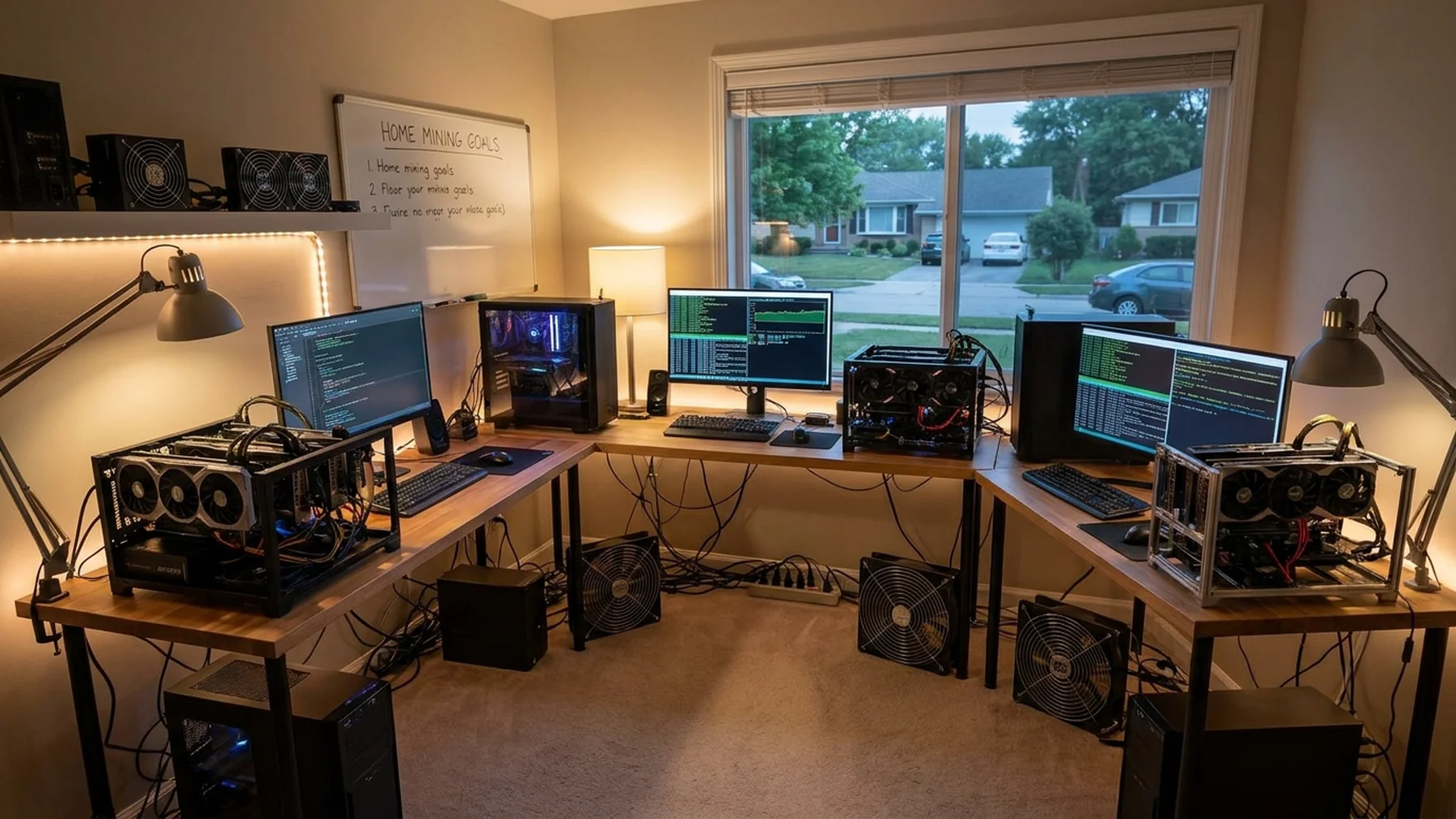
A mining rig is a computer system used for mining cryptocurrencies. When building a mining rig, you'll need to decide between using ASICs or GPUs. The rig should include a motherboard, power supply, cooling system, and reliable internet connection. Energy efficiency can be improved by selecting components with low power consumption. For instance, using a platinum-rated power supply can minimize energy loss, while effective cooling solutions can prevent overheating and reduce the need for energy-intensive cooling processes.
Mining Pools: Collaborating for Success
Joining a mining pool allows individuals to combine their computational power, increasing their chances of solving blocks and earning rewards. Mining pools distribute earnings among participants based on their contribution, providing more consistent returns than solo mining. When choosing a mining pool, consider factors like pool fees, payout frequency, and reputation. As a case study, F2Pool, one of the largest mining pools, has enabled thousands of individual miners to receive regular payouts, enhancing their profitability.
Minimizing Energy Consumption in Mining
Reducing energy consumption is crucial for sustainable mining practices. Here are some energy efficient mining techniques:
- Use energy-efficient hardware like ASICs.
- Optimize cooling systems to reduce energy waste.
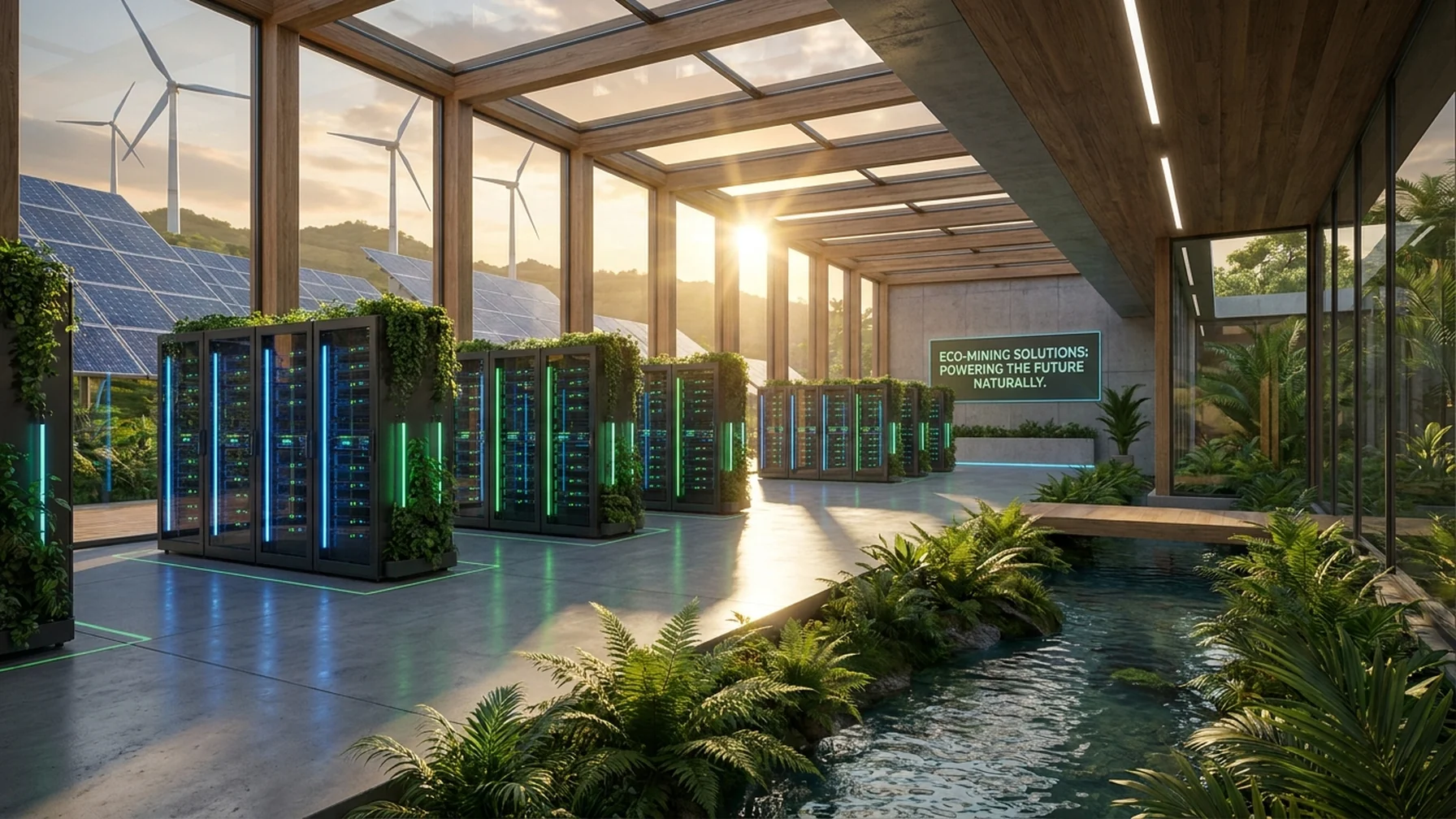
- Consider renewable energy sources, such as solar power.
- Join mining pools to share resources and reduce individual energy use.
Implementing these strategies helps miners lower electricity costs and minimize environmental impact. For instance, a mining farm in Texas successfully integrated solar panels to power its operations, significantly cutting electricity costs while reducing its carbon footprint.
Impact of Bitcoin Halving on Miners
Bitcoin halving occurs approximately every four years, reducing the reward for mining a block by half. This event can significantly affect miners, as it directly impacts their revenue. After a halving event, miners need to be more efficient to maintain profitability, emphasizing the importance of energy-efficient mining practices. For example, after the 2020 halving, miners who had invested in more efficient ASICs were better positioned to remain profitable despite the reduced rewards.
The Future of Bitcoin Mining
As the total supply of bitcoin approaches its limit of 21 million, mining will gradually shift from earning block rewards to transaction fees. This transition may alter the landscape of mining, with efficiency and sustainability becoming even more crucial. Energy-efficient techniques and innovative solutions will play a key role in the future of bitcoin mining. Innovations such as immersion cooling and AI-driven optimization are being explored to enhance energy efficiency and reduce operational costs.
In conclusion, while crypto mining can be energy-intensive, there are numerous techniques and strategies to enhance efficiency. By understanding the intricacies of mining hardware, joining pools, and focusing on energy reduction, miners can remain profitable and reduce their environmental footprint. As the industry evolves, embracing these energy-efficient practices will be essential for sustainable and profitable mining operations.