Solo Mining versus Pool Mining: A Comprehensive Comparison
Table of Contents

Explore the key differences between solo mining and pool mining in cryptocurrency. Discover their benefits and drawbacks to make an informed choice.
Mining is a crucial aspect of cryptocurrency networks like Bitcoin. As digital currencies evolve, understanding the differences between solo mining and pool mining is essential for potential miners. This article explores these methods, highlighting their benefits and drawbacks to guide you in making an informed choice.
Understanding Crypto Mining and Proof of Work
Crypto mining involves solving mathematical problems to validate transactions on a blockchain network. This process, known as "proof of work," requires miners to use specialized hardware to perform calculations. In return, miners earn cryptocurrency rewards. The more computational power a miner has, the better their chances of solving the problem first.
Solo Mining versus Pool Mining: Key Differences
Choosing between solo mining and pool mining depends on various factors, including resources, goals, and risk tolerance. Here's a breakdown of their key differences:
| Aspect | Solo Mining | Pool Mining |
|---|---|---|
| Control | Complete | Shared |
| Rewards | Potentially higher | Steady, smaller |
| Risk | Higher | Lower |
| Stability | Less predictable | More predictable |
Understanding these differences helps miners decide which approach aligns with their objectives in crypto mining.
What Is Solo Mining?
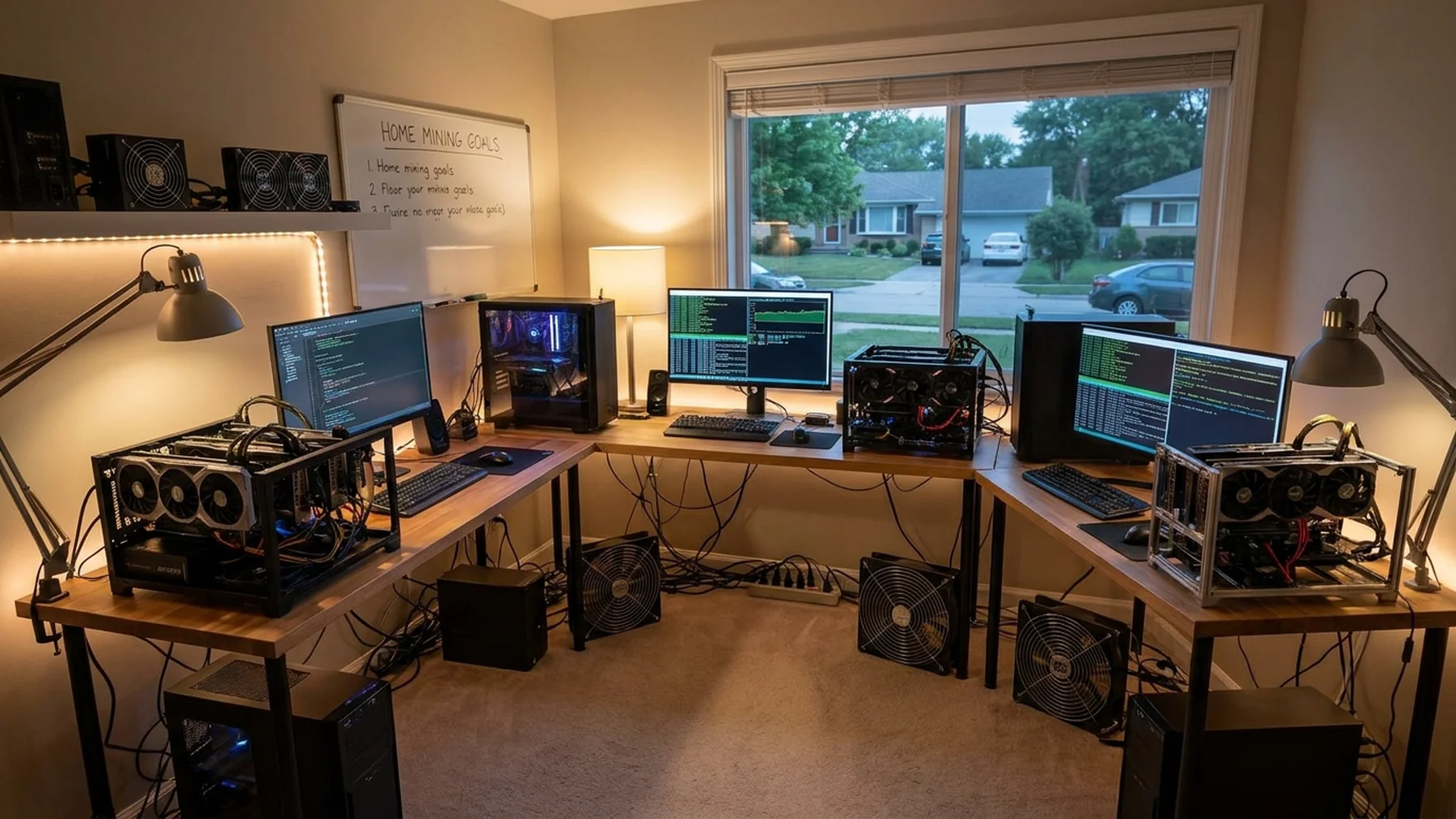
Solo mining involves an individual miner using personal equipment to solve blockchain puzzles independently. This method can be rewarding since the miner keeps the entire block reward. However, it requires significant computational power and is challenging due to rising mining difficulty and network competition.
Exploring Pool Mining
Pool mining involves groups of miners combining resources to enhance their chances of solving a block. By joining a mining pool, miners share computational power, and rewards are distributed based on contributions. This results in more consistent returns, making it a popular choice for those lacking the resources for solo mining.
Pros and Cons of Solo Mining
Solo mining offers autonomy and potentially higher rewards if successful. However, it has several disadvantages:
- High costs for equipment and electricity
- Long downtime between earning rewards
- Increased difficulty in solving blocks alone
Due to these factors, solo mining may not be suitable for beginners or those with limited resources.
Advantages and Disadvantages of Pool Mining
Pool mining provides more predictable and frequent payouts, appealing to many miners. The benefits include:
- Lower individual investment in hardware
- Steady income through regular payouts
- Access to pooled resources and support
However, the main drawback is that rewards are shared among pool members, resulting in smaller individual portions.
Which Is More Profitable: Solo or Pool Mining?
Mining profitability depends on factors such as cryptocurrency prices, mining difficulty, and operational costs. Generally, pool mining is more profitable for most miners due to shared resources and consistent payouts. Solo mining can be lucrative but often requires substantial investment in hardware and energy.
Calculating Mining Profitability
To evaluate mining profitability, consider the following factors:
- Cost of hardware and setup
- Electricity costs
- Current price of the mined cryptocurrency
- Network difficulty and hash rate
- Mining pool fees (if applicable)
Using online calculators can assist miners in estimating potential earnings based on these variables, aiding in deciding whether to mine solo or join a pool.
Mining Hardware: ASIC vs. GPU
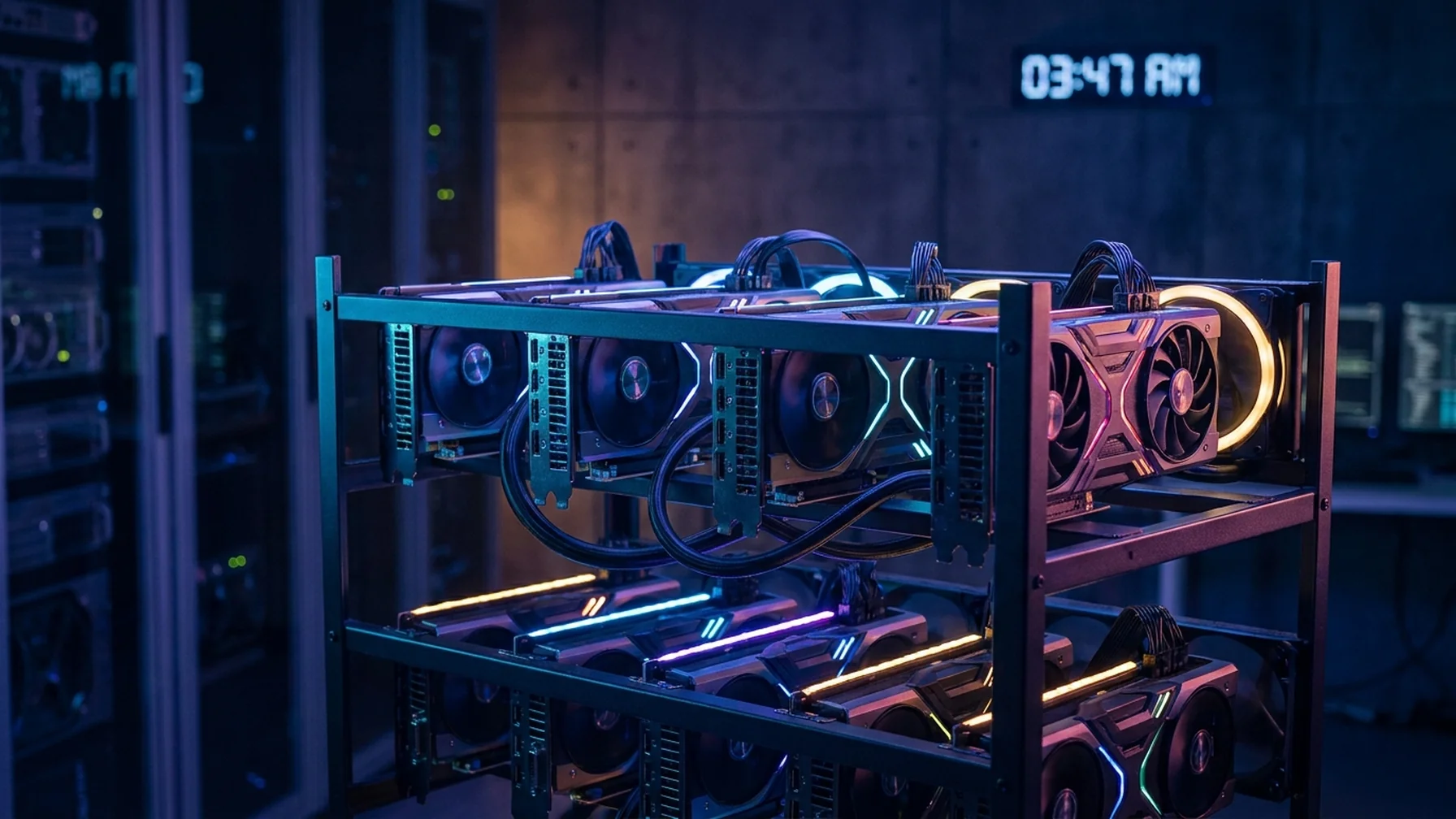
Two main types of mining hardware are ASIC (Application-Specific Integrated Circuit) and GPU (Graphics Processing Unit). ASICs are designed specifically for mining, offering higher efficiency and speed. GPUs, while more versatile for various applications, are generally slower than ASICs for mining.
Reducing Mining Electricity Costs
Energy consumption is a significant concern in mining, with electricity costs impacting profitability. To reduce these costs, miners can:
- Use energy-efficient hardware
- Mine in regions with lower electricity rates
- Consider renewable energy sources, like solar power
These strategies help miners optimize operations and improve profitability.
Mining and the Environment
Bitcoin mining has been criticized for its environmental impact due to high energy consumption. Transitioning to energy-efficient practices and considering renewable energy sources can mitigate these effects, contributing to more sustainable mining practices.
Steps to Choose Between Solo and Pool Mining
When deciding on mining methods, these steps can guide you:
- Research the differences between solo and pool mining, noting pros and cons.
- Evaluate your hardware and resources to determine suitable methods.
- Consider long-term goals and how each mining method aligns with them.
- Engage with mining communities for insights and experiences.
- Make an informed decision and commence mining with the chosen method.
Following these steps ensures a well-informed decision, optimizing your mining experience and potential rewards.