Is Crypto Mining Still Profitable?
Table of Contents
Discover whether crypto mining is still profitable in today's changing landscape. Explore the mechanisms, challenges, and rewards of this digital venture.
Crypto mining has long been an area of interest for those aiming to earn digital currencies. However, with the evolving landscape, many are left asking, is crypto mining still profitable? Understanding the intricacies of crypto mining, its mechanisms, and factors affecting profitability is essential for anyone considering this venture.
Understanding Crypto Mining
Crypto mining involves validating transactions on a blockchain network and adding them to a public ledger. This process requires solving complex mathematical problems using computational power, which helps maintain network security and functionality. Miners are rewarded with cryptocurrency for their contributions.
Proof of Work: The Backbone of Crypto Mining
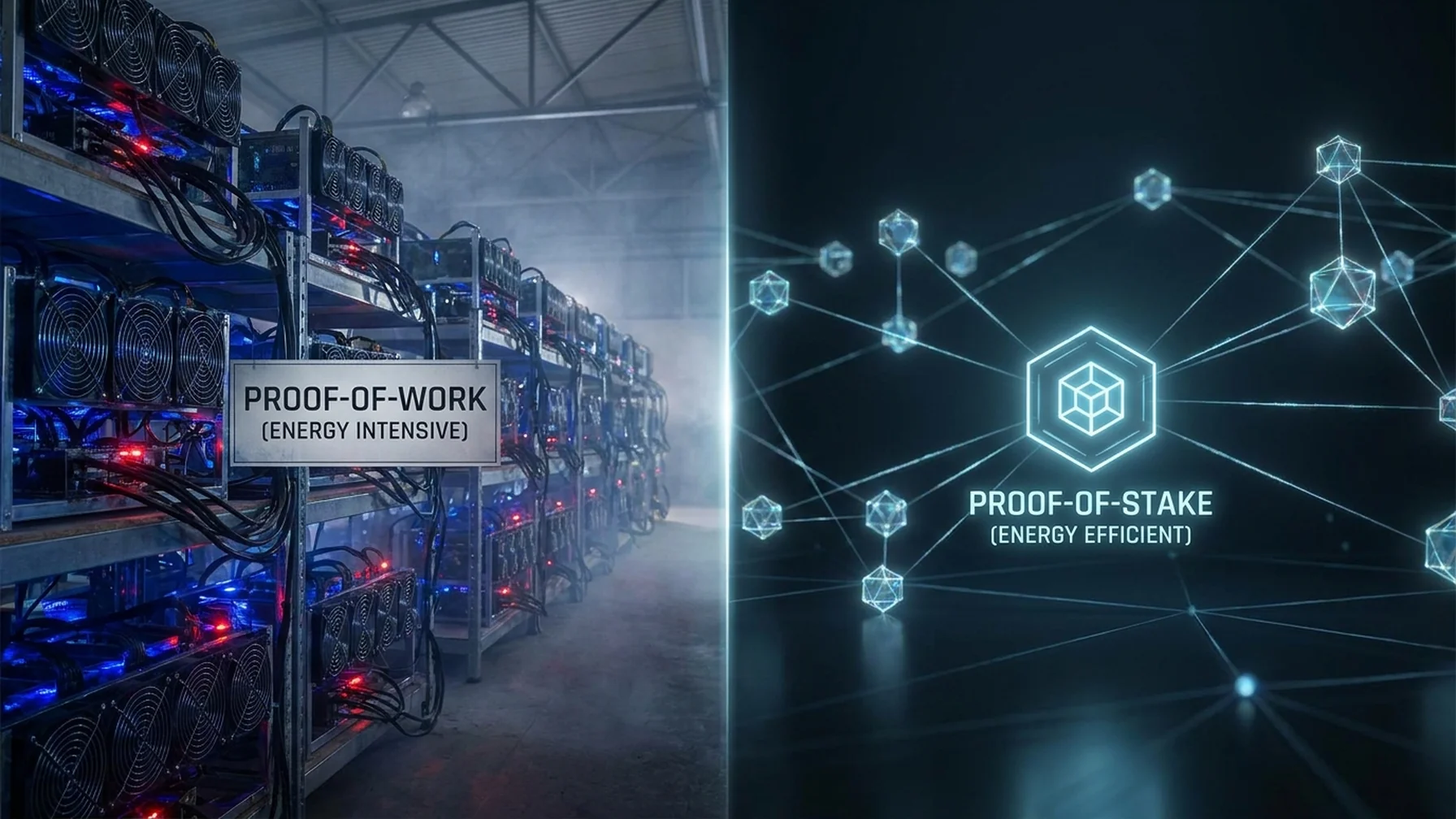
Proof of Work (PoW) is a consensus mechanism used by many cryptocurrencies, including Bitcoin. It ensures that all participants agree on the network's state by requiring miners to perform computational work to propose a new block. This process is costly and time-consuming, but vital for network security.
Here’s how the PoW process works:
- Miners collect and verify transactions from the network.
- They compile these transactions into a block.
- Miners solve a complex mathematical puzzle linked to the block.
- The first miner to solve the puzzle broadcasts the solution to the network.
- Once verified by others, the new block is added to the blockchain.
This process ensures the integrity and security of the blockchain, making it difficult for malicious actors to alter the transaction history.
Bitcoin Mining: A Closer Look
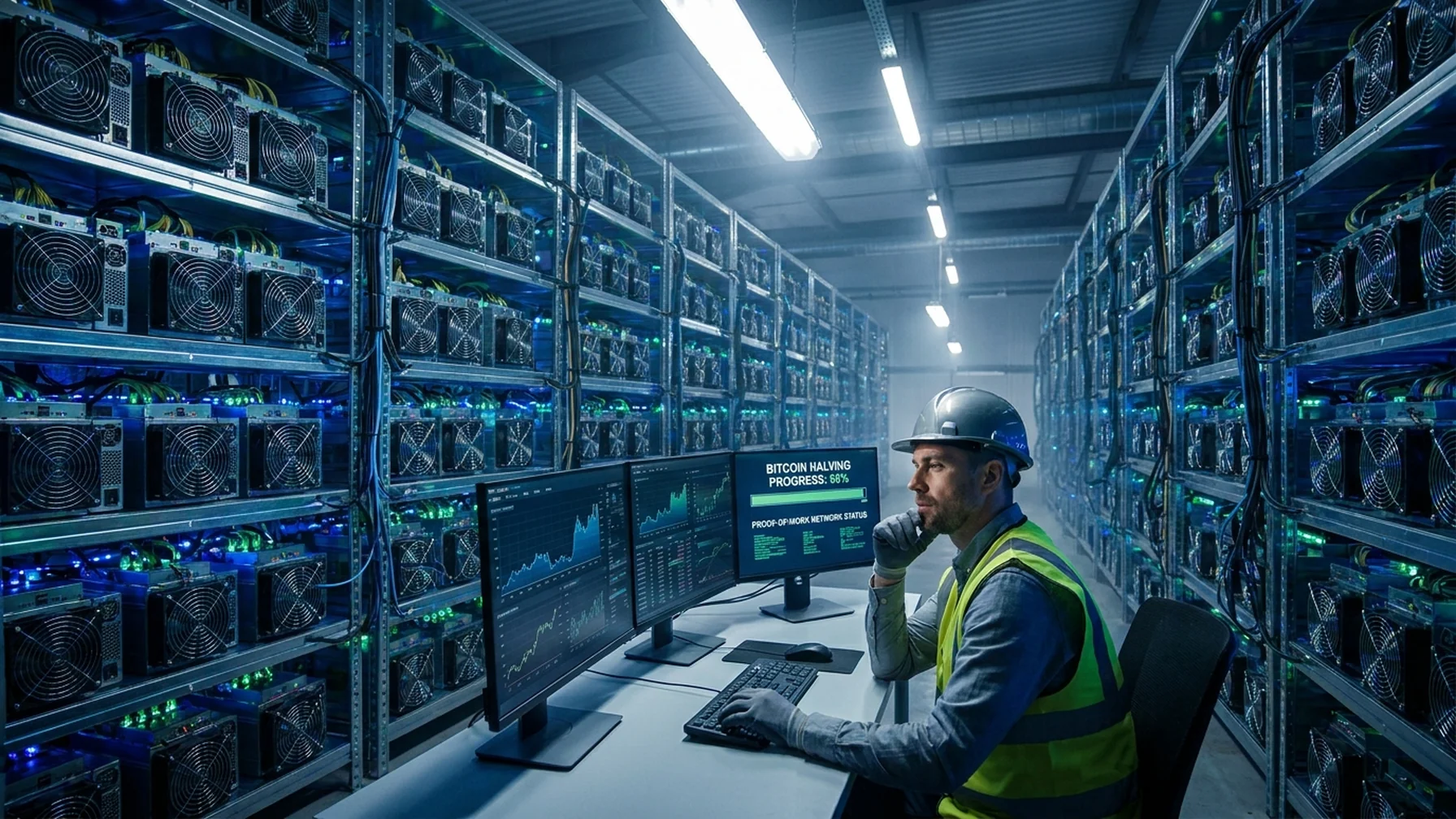
Bitcoin mining, the most recognized form of crypto mining, operates on a proof-of-work system. Miners compete to solve cryptographic puzzles, and the first to succeed gets to add a block to the blockchain, receiving a reward known as the block reward. This process demands significant computational power and energy.
Here's a simplified breakdown of Bitcoin mining steps:
- Miners verify the legitimacy of Bitcoin transactions.
- They gather these transactions into a block.
- Miners solve a cryptographic puzzle to validate the block.
- The first miner to solve the puzzle adds the block to the blockchain.
- The successful miner receives a block reward in Bitcoin.
This method secures the Bitcoin network, though it requires substantial resources and energy.
Factors Affecting Crypto Mining Profitability
The profitability of crypto mining depends on several factors:
- The cost of electricity and energy consumption of your mining hardware
- The efficiency and type of mining hardware (e.g., ASIC vs. GPU)
- The current price of cryptocurrencies
- The mining difficulty level
- Initial investment costs for equipment and ongoing maintenance
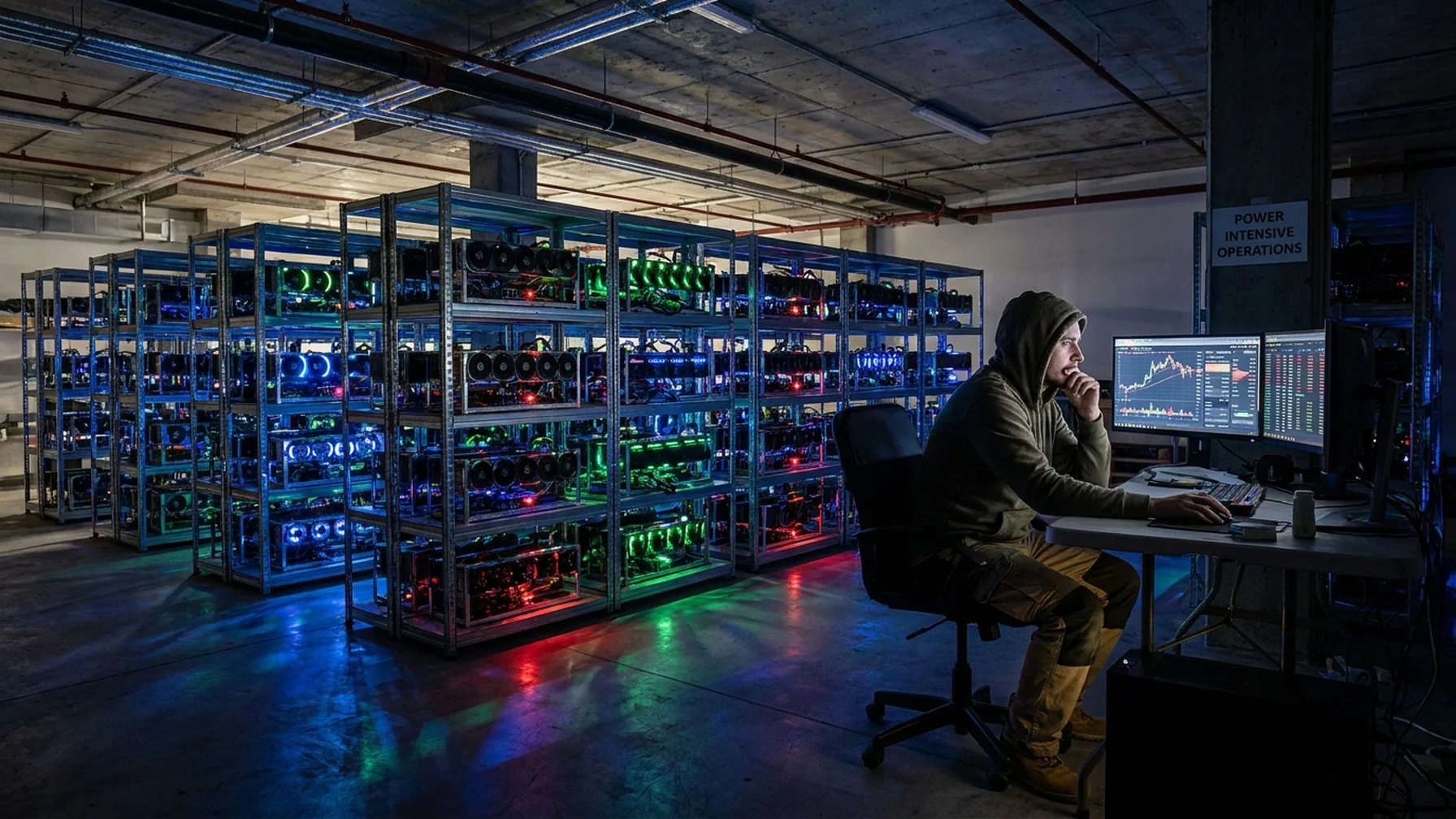
Large-scale operations often find profits due to economies of scale, while individual miners may struggle due to high energy costs and competition.
Comparing Mining and Staking
While mining involves solving puzzles for rewards, staking offers another way to earn cryptocurrency. Staking involves holding coins in a wallet to support network operations. It's less energy-intensive and often more accessible for individual users compared to traditional mining.
ASIC vs. GPU: Choosing Your Mining Hardware
ASICs (Application-Specific Integrated Circuits) are custom-built for mining, offering high efficiency and performance. GPUs (Graphics Processing Units), while more versatile, are generally less powerful than ASICs for mining. The choice between ASIC and GPU depends on the specific cryptocurrency and budget.
Here's a quick comparison:
| Hardware Type | Efficiency | Flexibility |
|---|---|---|
| ASIC | High | Low |
| GPU | Moderate | High |
Understanding the differences can help you choose the right equipment for your mining needs.
Can You Still Mine Bitcoin at Home?
Mining Bitcoin at home has become increasingly challenging. The rising mining difficulty and the necessity for specialized hardware have pushed many home miners out of the market. However, some still attempt to mine using cost-effective energy solutions, such as solar power, to reduce electricity costs.
What is a Mining Pool?
A mining pool is a group of miners who combine their computational resources to increase their chances of solving blocks and earning rewards. Pool participants receive a share of the rewards proportional to their contributed work. This approach offers smaller, more consistent payouts compared to solo mining.
Calculating Mining Profitability
To calculate mining profitability, consider the following factors:
- Hardware costs
- Electricity rates
- Network difficulty
- Cryptocurrency prices
Online calculators can assist in estimating potential earnings based on these inputs, helping you determine if mining aligns with your financial goals and circumstances in the current market landscape.
Mining and the Environment
Bitcoin mining's high energy consumption has raised environmental concerns. Many mining operations rely on fossil fuels, contributing to carbon emissions. However, some miners are turning to renewable energy sources to mitigate environmental impacts, making eco-friendly practices increasingly important.
In conclusion, crypto mining profitability is a complex equation involving multiple variables. While large operations continue to thrive, individual miners face increased challenges. Understanding the mechanics and economics of mining is essential for anyone looking to enter or remain in the field.