Joining a Mining Pool: A Comprehensive Guide
Table of Contents
Discover how joining a mining pool can enhance your cryptocurrency mining efficiency and maximize earnings with our comprehensive guide.
Joining a mining pool can be an excellent way to venture into cryptocurrency mining, especially if you're curious about the process or seeking to enhance your mining efficiency. Mining pools allow individuals to combine their computational power to compete more effectively against larger mining operations. This guide will provide a detailed understanding of mining pools, how to join one, and what factors to consider for maximizing your potential earnings. By the end, you'll have a clear path forward to start your cryptocurrency mining journey with greater confidence and reduced risk.
Understanding Cryptocurrency Mining
Cryptocurrency mining is the process of verifying transactions on a blockchain network like Bitcoin. Miners use computers to solve complex mathematical problems, which helps secure the network and add new blocks to the blockchain. In return for their efforts, miners receive cryptocurrency rewards. For example, the Bitcoin network distributes new coins to miners, rewarding them for their computational labor. This decentralized process is crucial for maintaining the integrity and security of blockchain networks.
How Bitcoin Mining Works
Bitcoin mining relies on a consensus algorithm called Proof of Work (PoW). Miners compete to solve cryptographic puzzles, and the first to solve one gets to add the next block to the blockchain. This process requires significant computational power and energy, making it challenging for individual miners to succeed on their own. A single miner might spend months without solving a block, while a mining pool can solve multiple blocks in the same timeframe, distributing rewards among participants.
What is a Mining Pool?
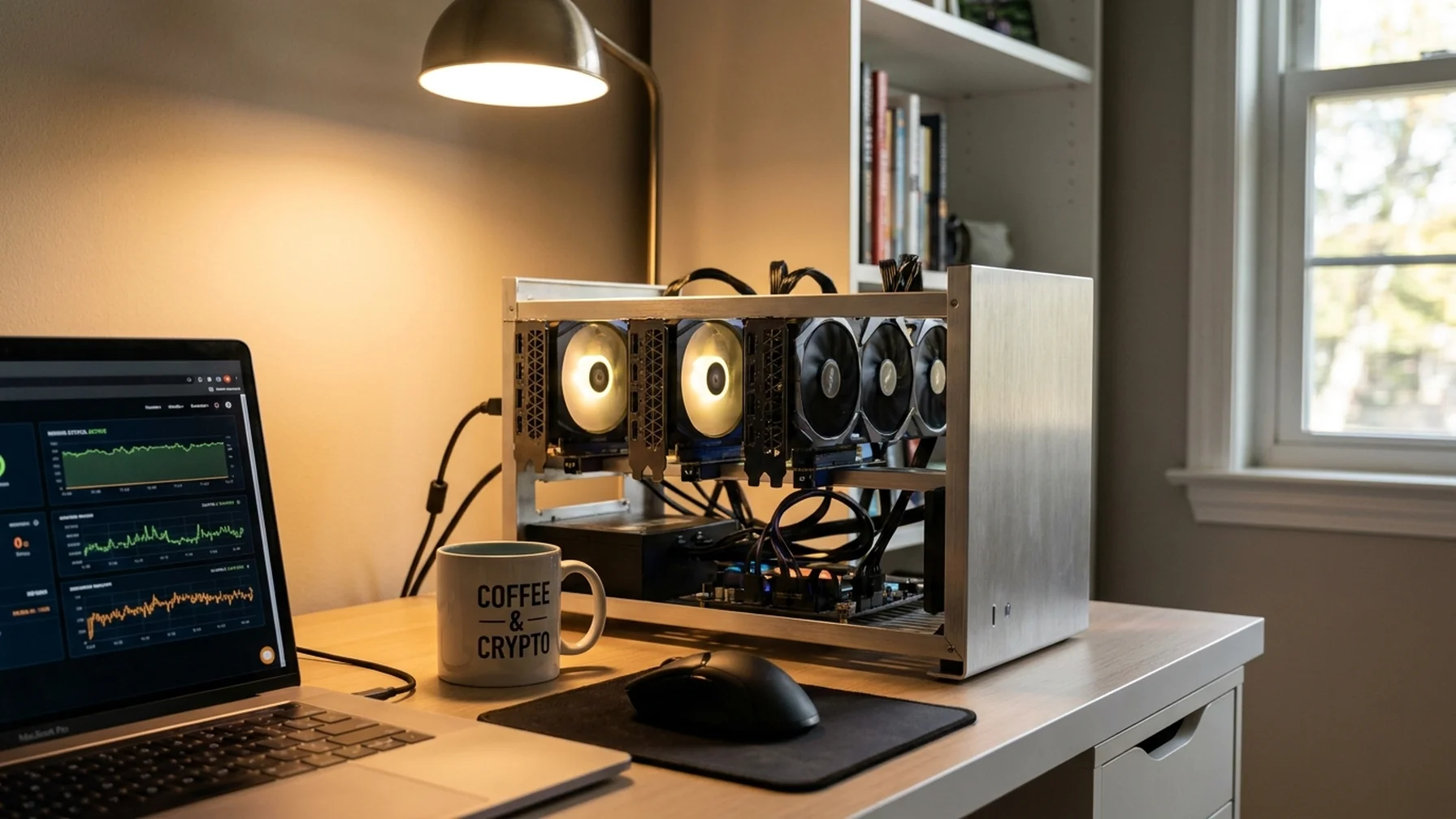
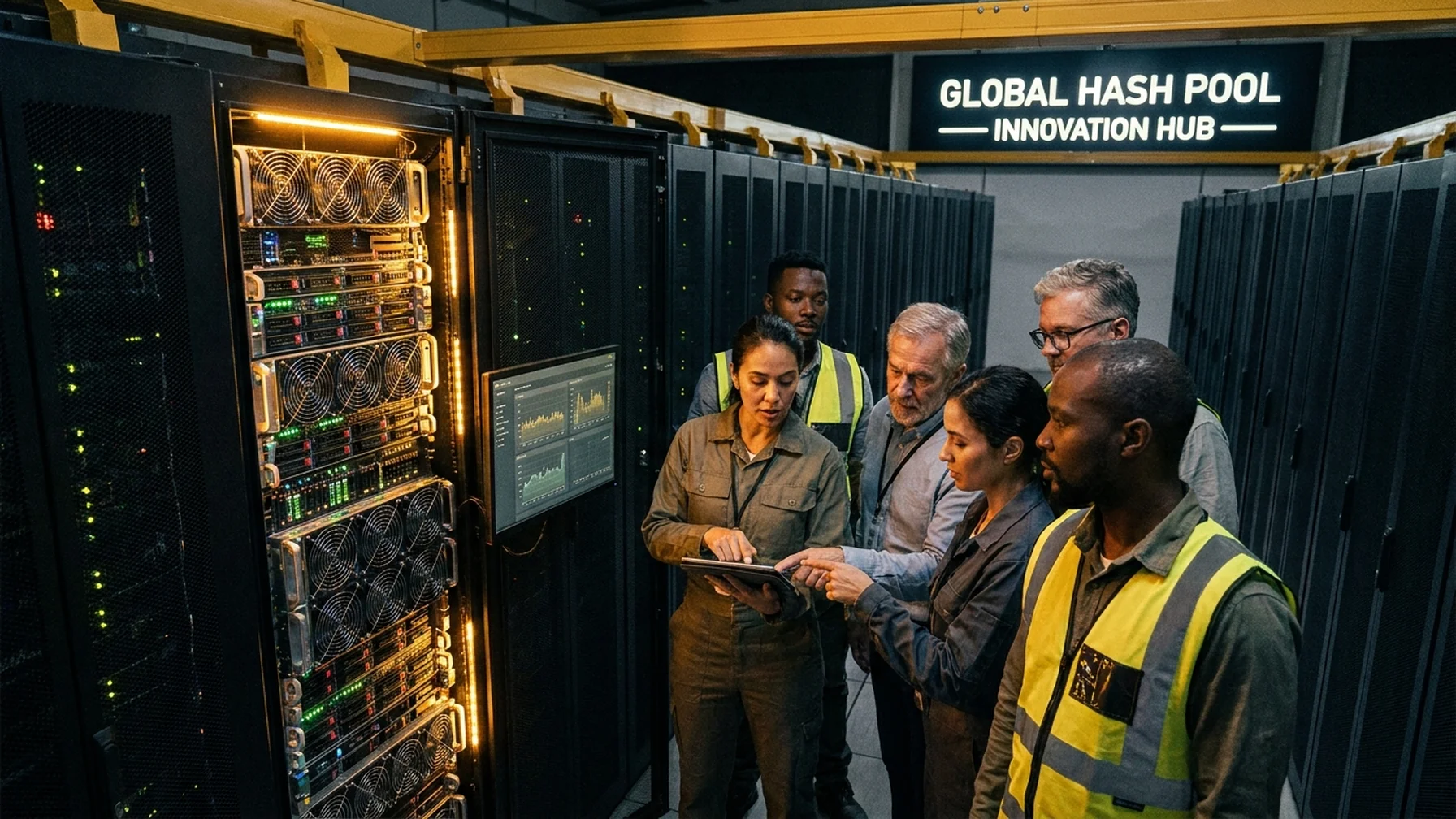
A mining pool is a collective of miners who pool their computational resources to increase their chances of solving blocks and earning rewards. By joining a pool, miners share both the workload and the rewards, making it easier for individuals to participate in mining without needing high-end hardware. For instance, a miner with a modest setup can contribute to a pool and receive proportional rewards, effectively lowering the barrier to entry in the mining industry.
Steps to Join a Mining Pool
Joining a mining pool involves several key steps:
- Research and select a reputable mining pool. Consider pools like F2Pool, Antpool, or Slush Pool, known for their reliability and fair distribution of rewards.
- Register an account on the pool's website. This will usually involve providing an email address and setting up a secure password.
- Configure your mining hardware to connect to the pool's server. Use the pool's provided software or follow their detailed setup instructions.
- Start mining and monitor your earnings through the pool's dashboard. Track your performance and payouts regularly to ensure everything is running smoothly.
Each pool has its own setup instructions, so be sure to follow them carefully. For example, Antpool provides a detailed guide for connecting both ASIC and GPU miners, ensuring you can start earning rewards quickly.
Solo Mining vs. Pool Mining
Solo mining means mining independently without joining a pool. This approach gives you the full reward for any blocks you mine, but it's much riskier and less likely to succeed due to high competition and mining difficulty. Pool mining, on the other hand, offers smaller but more consistent rewards, making it a popular choice for most miners. For instance, a solo miner might earn a substantial reward once a block is solved, but this could take weeks or months. In contrast, pool miners receive smaller, regular payouts, smoothing income streams and reducing financial risk.
Choosing the Best Mining Pools
When selecting a mining pool, consider factors such as:
- Pool fees: Some pools charge a percentage of your earnings. For example, Slush Pool charges a 2% fee, which is deducted from your rewards.
- Minimum payouts: Ensure the pool allows reasonable payout thresholds. Some pools might have high minimums, delaying your earnings.
- Reputation: Choose pools with positive reviews and a history of timely payments. Research user feedback on forums and social media platforms.
Popular mining pools include F2Pool, Antpool, and Slush Pool, each with its own pros and cons. For instance, F2Pool has a user-friendly interface and low payout thresholds, making it a favored choice among beginners.
Mining Hardware and Power Consumption
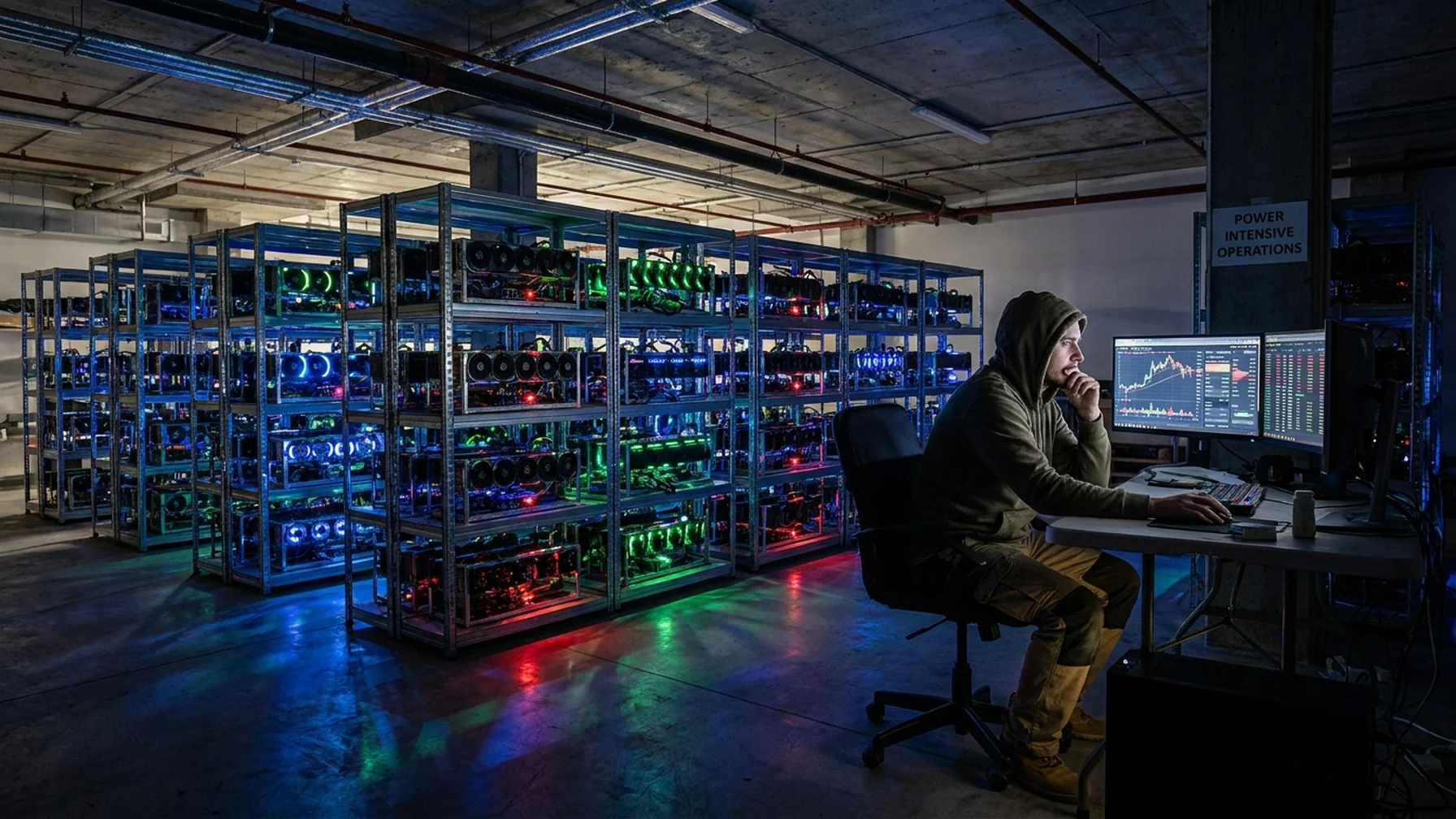
Mining requires specialized hardware known as mining rigs. These can range from GPU-based systems to more powerful ASIC miners. ASIC miners are often preferred for Bitcoin due to their efficiency, but they can be expensive and consume significant electricity. For example, the Antminer S19 Pro is a popular ASIC miner known for its high hash rate but also for its substantial power requirements. Understanding your hardware's specifications and energy consumption is crucial for maintaining profitability.
Calculating Mining Profitability
To determine mining profitability, consider factors like electricity costs, hardware expenses, and the current price of Bitcoin. Use online calculators to input your specific data and estimate your potential earnings. Keep in mind that profitability can fluctuate based on market conditions and mining difficulty. For example, during periods of high Bitcoin prices, profitability can increase, but higher mining difficulty might offset these gains.
Environmental Impact of Mining
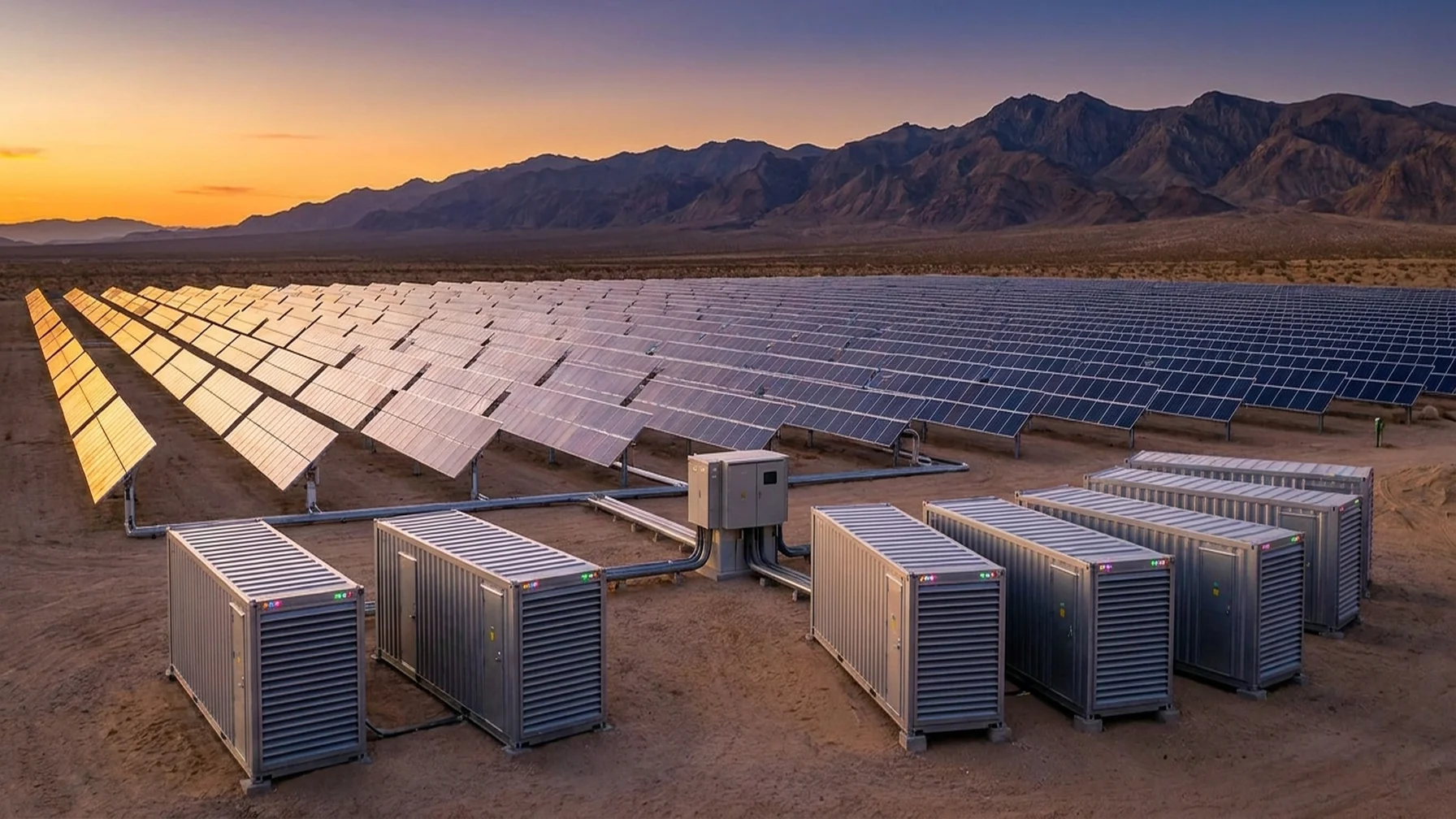
Bitcoin mining consumes a lot of electricity, raising concerns about environmental impact. Some miners are turning to renewable energy sources like solar power to reduce their carbon footprint. Exploring energy-efficient hardware and optimizing your setup can also help minimize environmental harm. For example, miners in regions with abundant hydroelectric power can benefit from lower costs and a smaller environmental footprint.
Common Mistakes When Joining a Mining Pool
Many newcomers to mining make common mistakes that can impact their success:
- Choosing a pool with high fees or low payout transparency. Always verify pool terms before joining.
- Not considering hardware compatibility. Ensure your mining rig is suitable for the pool's requirements.
- Ignoring security practices. Use strong passwords and enable two-factor authentication to protect your mining accounts.
For instance, a new miner might join a pool without researching its fee structure, only to find that profits are significantly reduced by fees. Avoid these pitfalls by doing thorough research and preparation.
Deep Dive into Mining Pool Strategy
Developing a strategy for mining pool participation can enhance your profitability. Here's a step-by-step approach:
- Evaluate different pools' payout structures. Some pools offer proportional payouts, while others use a Pay-Per-Share (PPS) model.
- Analyze your electricity costs. Consider mining during off-peak hours if you pay variable rates for electricity.
- Regularly update your mining software to benefit from performance improvements and security patches.
- Monitor market trends to anticipate changes in profitability. Adjust your mining strategy accordingly.
- Explore diversification by mining different cryptocurrencies or using multi-algorithm pools to hedge against market volatility.
By regularly analyzing your strategy and making data-driven decisions, you can optimize your mining operations and maximize returns.
Conclusion: Is Joining a Mining Pool Right for You?
Joining a mining pool can be an effective way to participate in cryptocurrency mining, offering a balance of risk and reward. While it may not make you an overnight millionaire, it provides an opportunity to learn more about the technology and potentially earn some crypto along the way. Always stay informed and adjust your strategies as the crypto landscape evolves. With careful planning and strategic execution, mining pools can be a viable entry point into the world of cryptocurrencies.