Exploring Beginner Mining Hardware Options: Your Intro to Crypto Mining
Table of Contents
Discover beginner-friendly mining hardware options and navigate the crypto mining process with ease. Learn about GPU vs. ASIC choices without overspending.
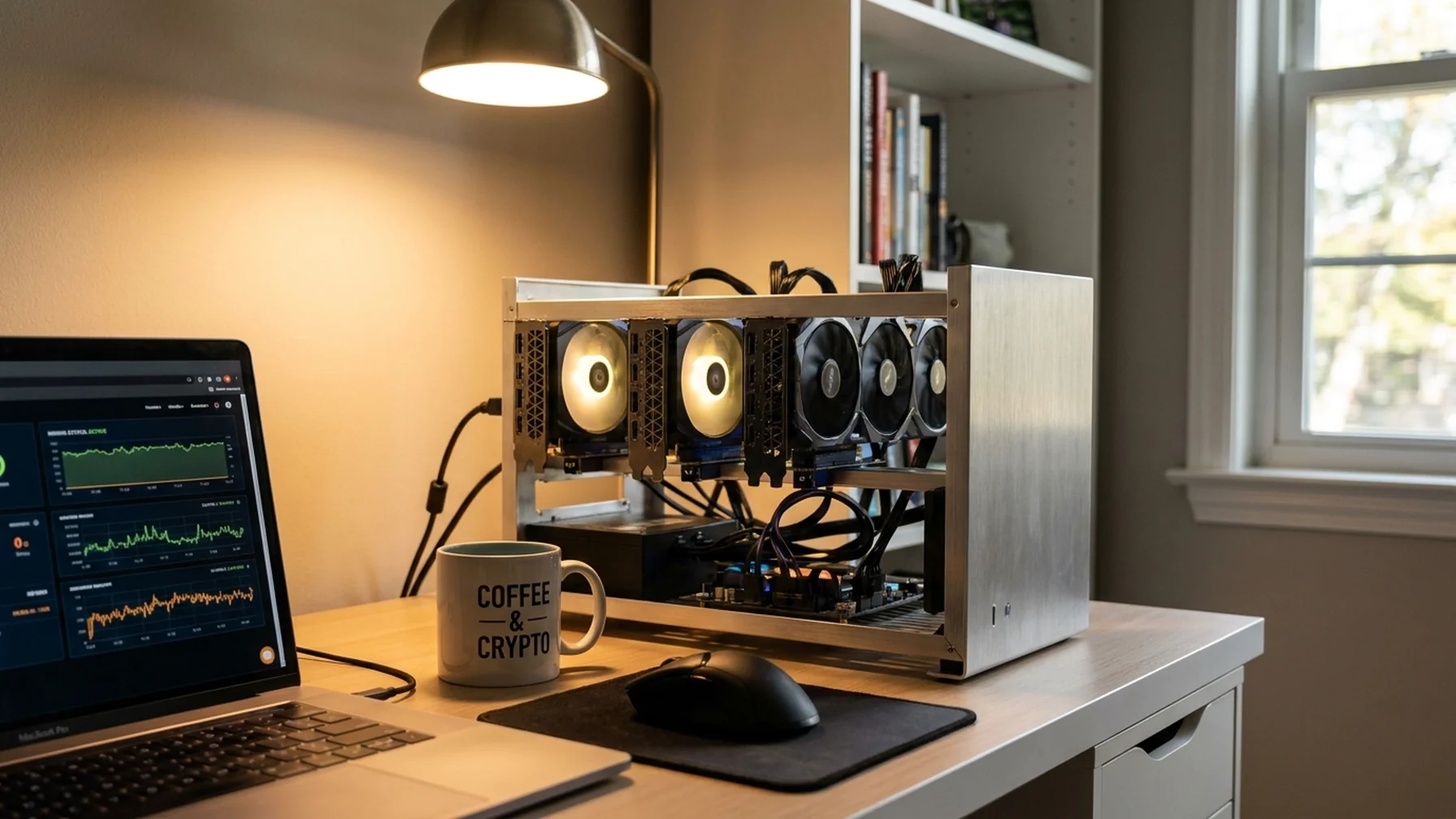
For those new to the world of cryptocurrency, getting started with mining might feel overwhelming. However, by understanding beginner mining hardware options, you can ease into the process efficiently. This guide will help you navigate the basics of mining hardware, including the differences between GPU and ASIC options, and how to make informed choices without breaking the bank.
Understanding the Basics of Crypto Mining
Crypto mining involves validating transactions on a blockchain network by solving complex mathematical problems. This process, known as proof-of-work, secures the network and rewards miners with cryptocurrency. For beginners, comprehending this concept is essential before diving into hardware choices.
Evaluating Beginner Mining Hardware Options
When exploring beginner mining hardware, it's important to balance cost, efficiency, and ease of use. Here are some recommended options:
- NVIDIA GeForce GTX 1660 Super: A budget-friendly GPU offering decent mining capabilities.
- AMD Radeon RX 580: Known for affordability and solid performance in various mining scenarios.
- Bitmain Antminer S9: A popular choice for Bitcoin mining with a focus on efficiency.
These options provide an accessible entry point for beginners, allowing them to start mining without excessive costs or complexity.
Comparison of Key Features
To assist in choosing the best hardware, here's a comparison table highlighting important factors:
Key Features of Beginner Mining Hardware
| Hardware | Price Range | Efficiency | Power Consumption |
|---|---|---|---|
| NVIDIA GeForce GTX 1660 Super | Low | Moderate | 120W |
| AMD Radeon RX 580 | Low | Good | 185W |
| Bitmain Antminer S9 | Moderate | High for Bitcoin | 1350W |
This table compares beginner mining hardware options, focusing on price, efficiency, and power usage, helping you make an informed decision.
Steps to Choosing the Right Mining Hardware
Follow these steps to select the most suitable hardware for your needs:
- Determine your budget and how much you're prepared to spend on mining equipment.
- Decide which cryptocurrency you wish to mine, as this affects hardware choice.
- Assess hardware options based on efficiency, power consumption, and price.
- Purchase the hardware that aligns with your budget and mining goals.
By carefully evaluating these factors, beginners can confidently choose hardware that meets their mining objectives.
ASIC vs. GPU Mining: Understanding the Differences
Choosing between ASIC and GPU mining is a critical decision for beginners. ASICs are designed for specific algorithms, offering high efficiency but at a higher cost. In contrast, GPUs are versatile, allowing mining of various cryptocurrencies but generally with lower efficiency. Consider what you plan to mine and your budget before deciding.
What Goes Into a Mining Rig?
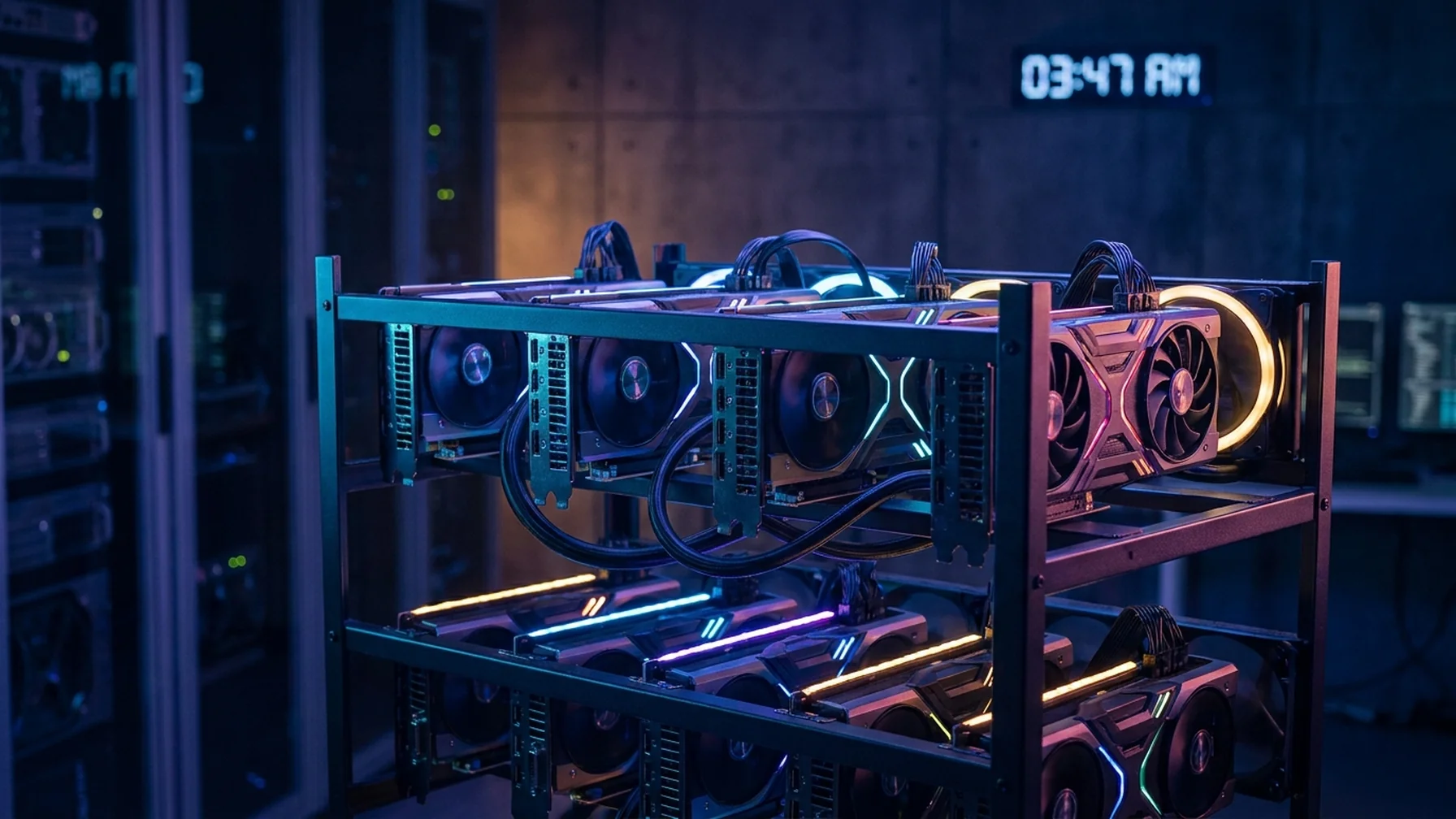
Mining rigs are specialized computer systems made for mining. Typically, they consist of multiple GPUs or ASICs, a motherboard, a power supply, and a cooling system. Beginners might start with pre-built rigs to simplify setup, but understanding the components can enhance your mining strategy.
Optimizing Power Consumption and Efficiency
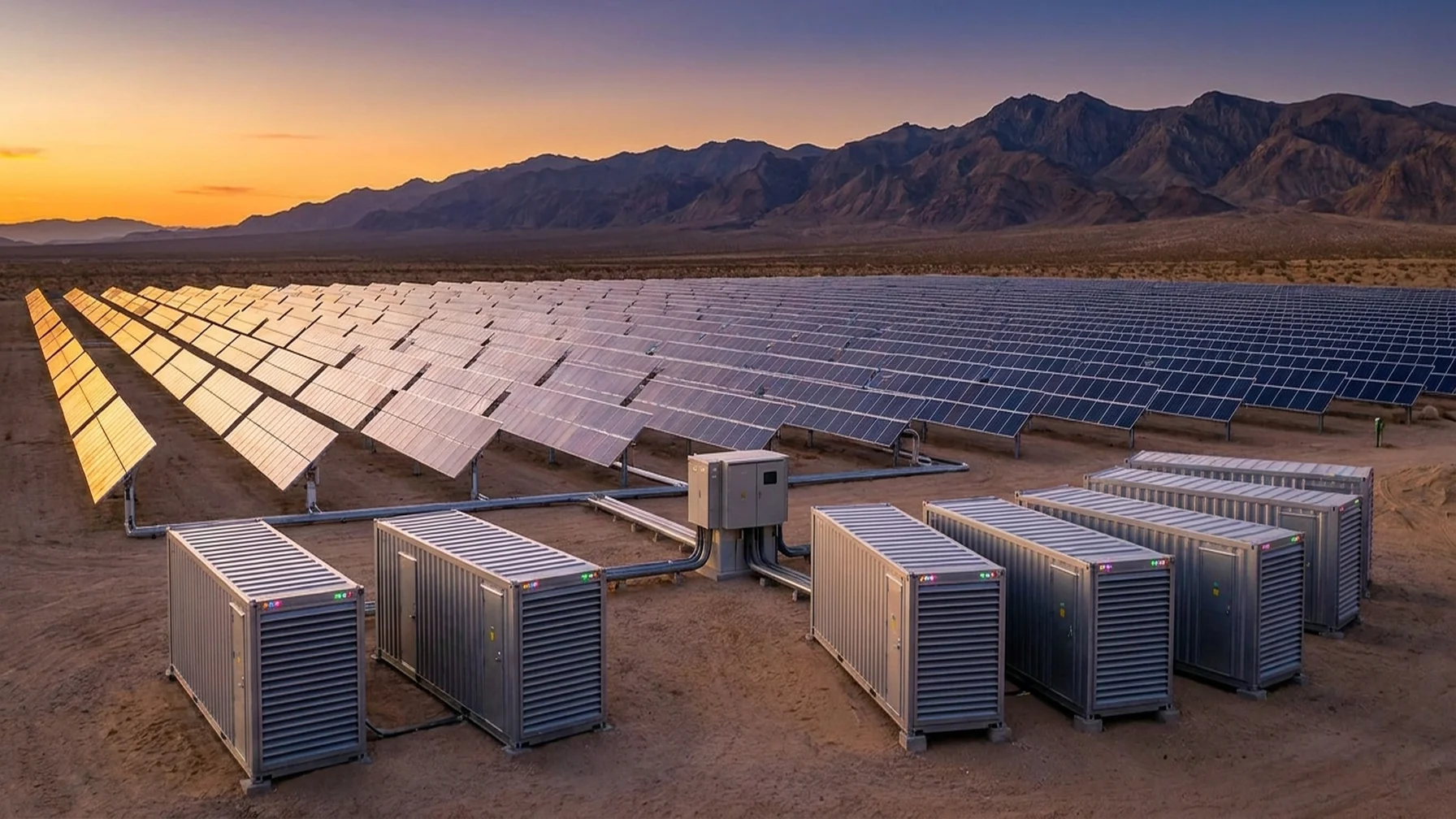
Power consumption is a significant concern in mining, impacting both costs and environmental footprint. Beginners should seek energy-efficient hardware and explore renewable energy sources like solar power to minimize expenses and reduce environmental impact.
Joining a Mining Pool for Beginners
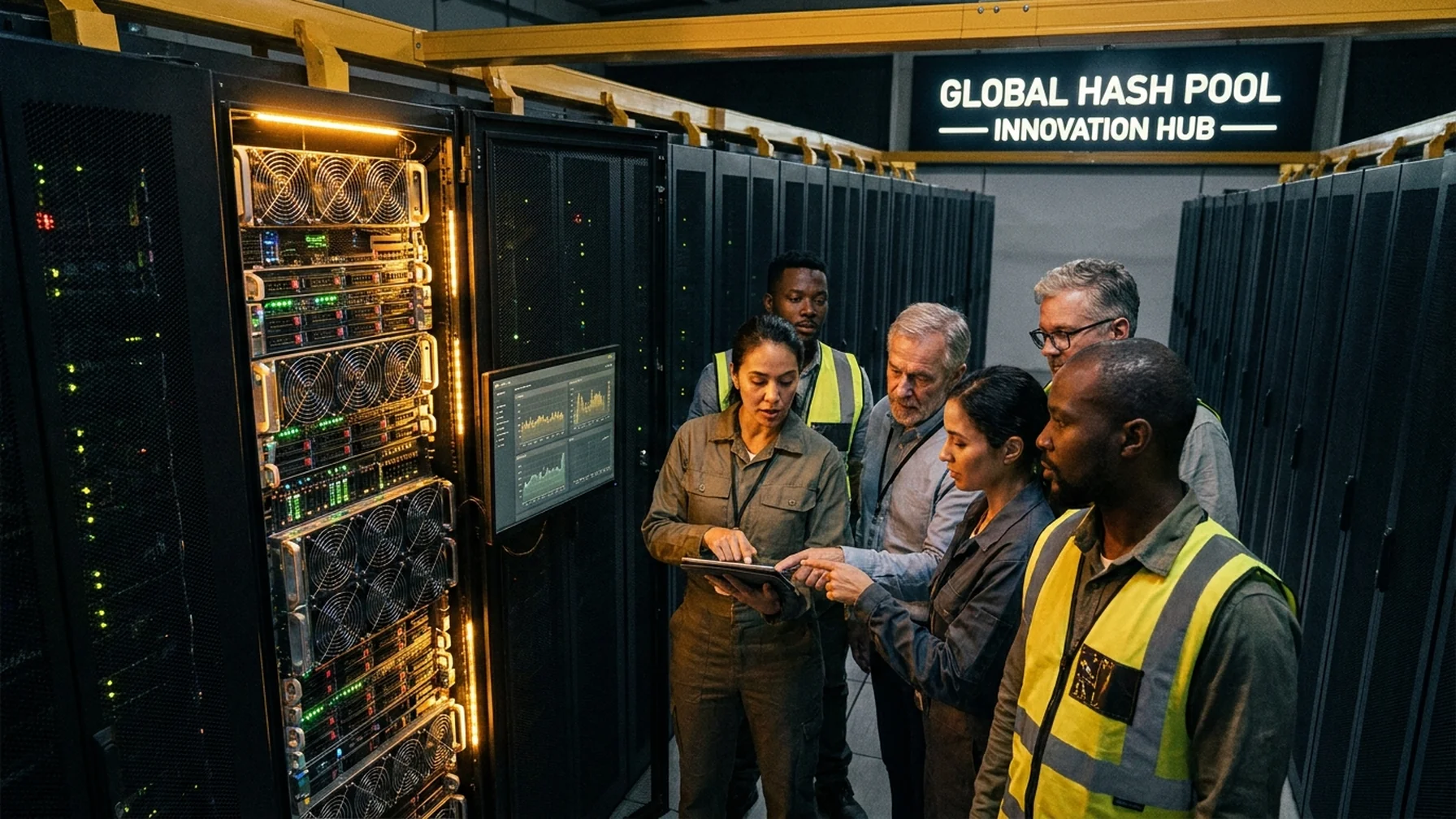
Solo mining can be challenging due to high competition. By joining a mining pool, beginners can combine resources with other miners, increasing their chances of earning rewards. Research different pools and choose one that aligns with your mining goals and offers fair rewards distribution.
Calculating Potential Profitability
Before investing in mining, calculate potential profitability. Consider hardware costs, electricity rates, and the current cryptocurrency price. Use online calculators to estimate earnings and ensure that mining is financially viable for your circumstances.
Understanding Bitcoin Halving and Its Impact
Bitcoin halving occurs roughly every four years, reducing the rewards miners receive for adding new blocks. This event affects mining profitability and often leads to increased difficulty. Stay informed about upcoming halvings and how they might impact your mining operations.
Embracing Sustainable Mining Practices
Mining has faced criticism for high energy consumption. However, adopting practices such as utilizing renewable energy and optimizing hardware efficiency can mitigate environmental impact. Beginners should consider sustainable options when planning their mining approach.
Conclusion: Embarking on Your Mining Journey
Getting started with crypto mining requires a solid grasp of hardware basics, the proof-of-work concept, and factors influencing profitability. With the right hardware and strategies like joining a mining pool, beginners can confidently embark on their mining journey. Stay informed and continuously assess your setup to maximize success in the evolving cryptocurrency landscape.