The Impact of Bitcoin Halving on Miners: A Comprehensive Guide
Table of Contents
Explore how Bitcoin halving influences miners' strategies and profitability. This comprehensive guide delves into the effects and necessary adjustments in...
Bitcoin halving is a significant event in the cryptocurrency world that directly affects miners. Occurring approximately every four years, this event influences the dynamics of Bitcoin mining and the profitability of mining operations. Understanding its impact requires knowledge of crypto mining basics and the specifics of Bitcoin mining. As Bitcoin's global popularity increases, the implications of halving events grow more significant. Miners must adjust their strategies to maintain profitability when these events occur. This guide explores the impact of Bitcoin halving on miners and provides insights into navigating these changes.
Understanding Crypto Mining and Bitcoin Mining
Crypto mining involves solving complex mathematical puzzles to validate transactions on the blockchain. Miners use powerful computers, earning cryptocurrency as a reward. Bitcoin mining, specifically, uses a system called proof of work (PoW), where miners compete to add the next block to the blockchain. The profitability of crypto mining depends on factors like electricity costs, Bitcoin prices, and mining difficulty.
For example, in the early 2010s, enthusiasts could mine Bitcoins using home computers. Today, specialized equipment is necessary to be competitive. This shift illustrates the evolution of mining technology and the entry of large-scale mining operations, significantly altering the mining landscape.
Bitcoin Halving Explained
Bitcoin halving occurs every four years or after 210,000 blocks are mined, cutting the reward for mining a new block in half. Initially, miners received 50 Bitcoins per block, but this has decreased with each halving. The purpose of halving is to control Bitcoin's supply, mimicking the scarcity of precious metals. This scarcity aims to increase Bitcoin's value over time, potentially offsetting the reduced rewards for miners.
A real-world example of halving's impact occurred in 2020 when the reward dropped from 12.5 to 6.25 Bitcoins. This caused a temporary decrease in mining activity as miners adjusted their strategies. Key impacts of Bitcoin halving include:
- Reduction in miner rewards, requiring efficiency adjustments
- Increased scarcity, potentially leading to higher Bitcoin value
- Influence on mining strategies and investment decisions
Analyzing the Impact of Bitcoin Halving on Miners
The most immediate impact of Bitcoin halving on miners is the reduction in rewards, which directly affects their revenue. With fewer Bitcoins earned per block, miners depend on a rise in Bitcoin's price to maintain profitability. If the price doesn't increase proportionally, some miners may struggle to cover their operational costs. Historically, Bitcoin price surges have followed halving events, but this pattern is not guaranteed.
For example, after the 2016 halving, Bitcoin's price rose significantly over the following year, restoring profitability for many miners. However, this trend is unpredictable, and miners must be prepared for various market conditions.
Mining Hardware and Efficiency
Choosing the right mining hardware is crucial for efficiency and profitability. Miners can use GPUs or ASICs. While GPUs are versatile and can mine different cryptocurrencies, ASICs are specifically designed for mining Bitcoin and are more efficient. Understanding the power consumption of mining hardware is essential, as electricity is a significant cost factor. Energy-efficient mining equipment can significantly reduce expenses.
An example of efficient hardware is the Antminer S19 Pro, known for its high hash rate and relatively low energy consumption, making it popular among professional miners seeking to maximize returns.
Solo Mining vs. Pool Mining
Miners can choose between solo mining and pool mining. Solo mining means working independently to solve blocks, requiring significant resources and luck. Pool mining involves joining forces with other miners to increase the chances of earning rewards. While payouts are smaller, they are more consistent. For many miners, particularly those with limited resources, pool mining offers a viable path to regular income.
A case study of F2Pool, one of the largest mining pools, demonstrates how collective mining efforts can stabilize earnings and provide a steadier income stream compared to solo mining efforts.
Mining Difficulty and its Role
Mining difficulty refers to how hard it is to find a new block. As more miners join the network, the difficulty increases, requiring more computational power. This can make it more challenging and expensive for individual miners to compete, especially after a halving event. The adjustment of mining difficulty ensures that blocks are mined approximately every ten minutes, maintaining network integrity.
In 2018, during a significant increase in Bitcoin's popularity, the mining difficulty surged, pushing many smaller miners out of the competition due to higher operational costs and reduced profitability.
Environmental Considerations and Energy Use
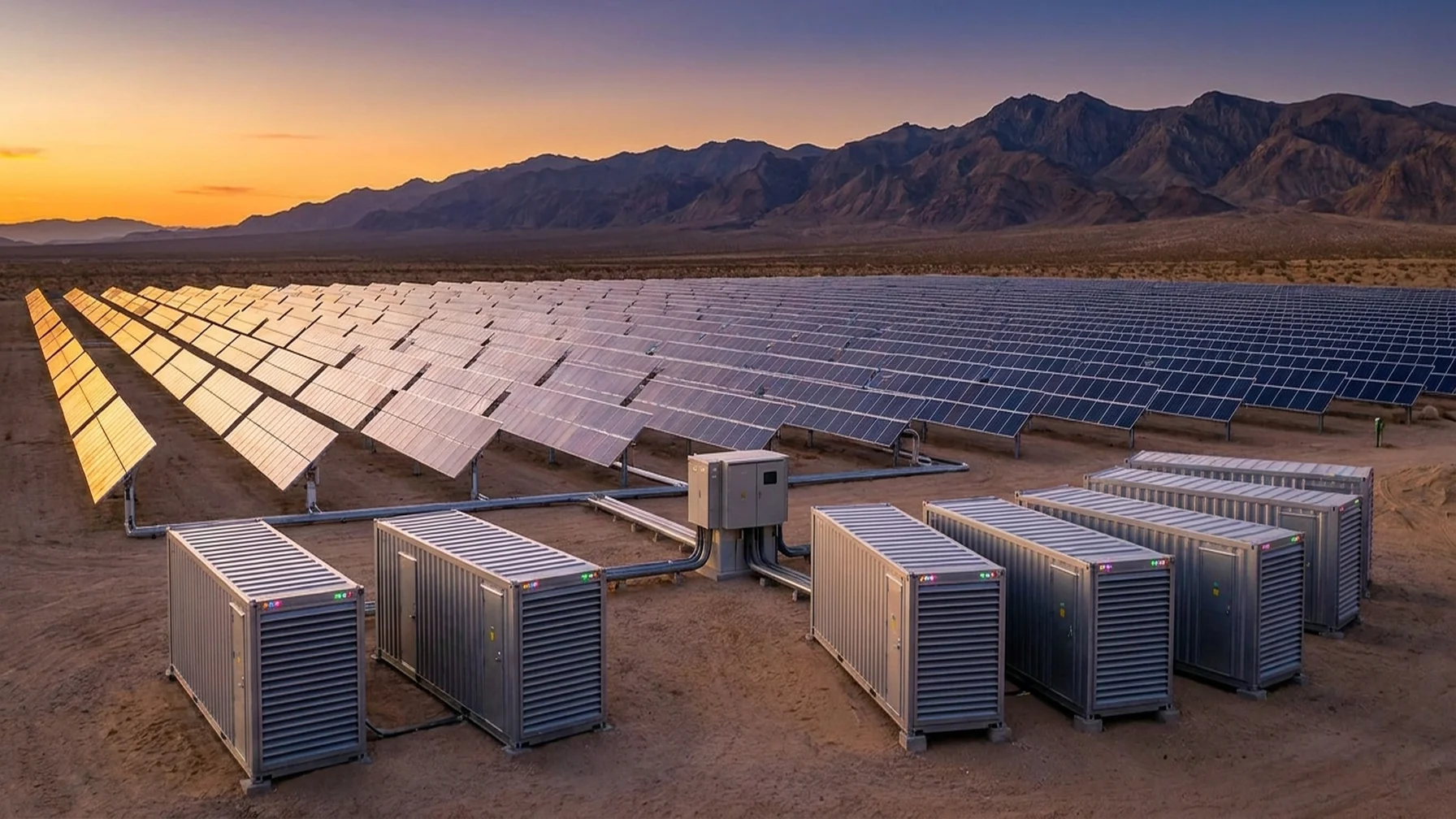
Bitcoin mining consumes a significant amount of electricity, raising concerns about its environmental impact. To mitigate this, some miners opt for renewable energy sources like solar power, reducing electricity costs and lessening mining operations' environmental footprint. Transitioning to renewable energy not only makes mining more sustainable but also aligns with global efforts to combat climate change.
For instance, a mining farm in Iceland utilizes geothermal energy, demonstrating how geographical advantages can be leveraged to create environmentally friendly mining operations.
Future of Bitcoin Mining
As we approach the limit of 21 million Bitcoins, miners will eventually rely solely on transaction fees for income. This scenario highlights the importance of current efficiency and cost management strategies. Miners must innovate and adapt to maintain profitability as the block reward diminishes. Exploring alternative income streams and optimizing operations will be crucial for long-term sustainability.
Looking ahead, advancements in technology and changes in global energy policies may transform mining practices, leading to more efficient and eco-friendly operations.
Common Mistakes and How to Avoid Them
Many miners make mistakes that can be costly. Here are some common pitfalls and how to avoid them:
- Underestimating Costs: Many beginners overlook electricity costs, leading to unexpected expenses. It's crucial to calculate all costs before starting.
- Choosing Inappropriate Hardware: Using outdated or inefficient hardware can reduce profitability. Stay updated on the latest mining equipment.
- Ignoring Network Changes: Failing to adapt to changes in mining difficulty or Bitcoin price can hurt profitability. Regularly assess market conditions.
- Lack of Security: Mining operations are vulnerable to cyber attacks. Implement strong security measures to protect your assets.
Comparison of Mining Strategies
Choosing the right mining strategy is essential for success. Here's a comparison of different approaches to help miners decide:
| Strategy | Pros | Cons |
|---|---|---|
| Solo Mining | Full rewards, independence | High resource requirement, inconsistent earnings |
| Pool Mining | Steady income, shared resources | Shared rewards, dependency on pool |
| Renewable Energy Mining | Lower energy costs, eco-friendly | Initial setup cost, location-dependent |
| Cloud Mining | No hardware investment, accessible | Lower profit margins, trust issues |
| Hybrid Mining | Diversified risk, flexibility | Complex management, requires expertise |
Each strategy presents unique advantages and challenges. Miners should evaluate their resources, goals, and risk tolerance to select the most suitable approach. As the mining landscape continues to evolve, adaptability will be key to sustaining profitability.
In conclusion, Bitcoin halving significantly impacts miners, affecting their rewards and operational strategies. By understanding mining hardware, energy consumption, and choosing the right mining method, miners can navigate these challenges effectively. The cyclical nature of halving events requires miners to continually adapt, ensuring they remain competitive in a dynamic industry.