Calculating Mining Profitability: A Step-by-Step Guide
Table of Contents
Learn how to calculate mining profitability with our step-by-step guide. Discover essential tips, equipment, and strategies for successful crypto mining.
Calculating mining profitability is essential for anyone venturing into cryptocurrency mining. As Bitcoin and other digital currencies gain popularity, mining offers a way to earn these assets. However, understanding the process, necessary equipment, and costs is crucial to determine if mining is a profitable endeavor.
Understanding Crypto Mining
Crypto mining involves using powerful computers to solve complex mathematical problems, a process known as proof of work. This validates transactions on a blockchain network and secures it. Miners are rewarded with cryptocurrency for their efforts, which keeps the network decentralized and secure.
How to Join a Mining Pool
Joining a mining pool can enhance your chances of earning rewards. Here’s a step-by-step guide to help you get started:
- Choose a reputable mining pool with low fees and a solid track record.
- Sign up on the pool's website and create an account.
- Download the recommended mining software and configure it to connect to the pool using the settings provided.
- Start mining by running the software and monitor your progress on the pool's dashboard.
These steps will help you participate in a mining pool, potentially increasing your mining rewards.
Building a Mining Rig: Essential Components
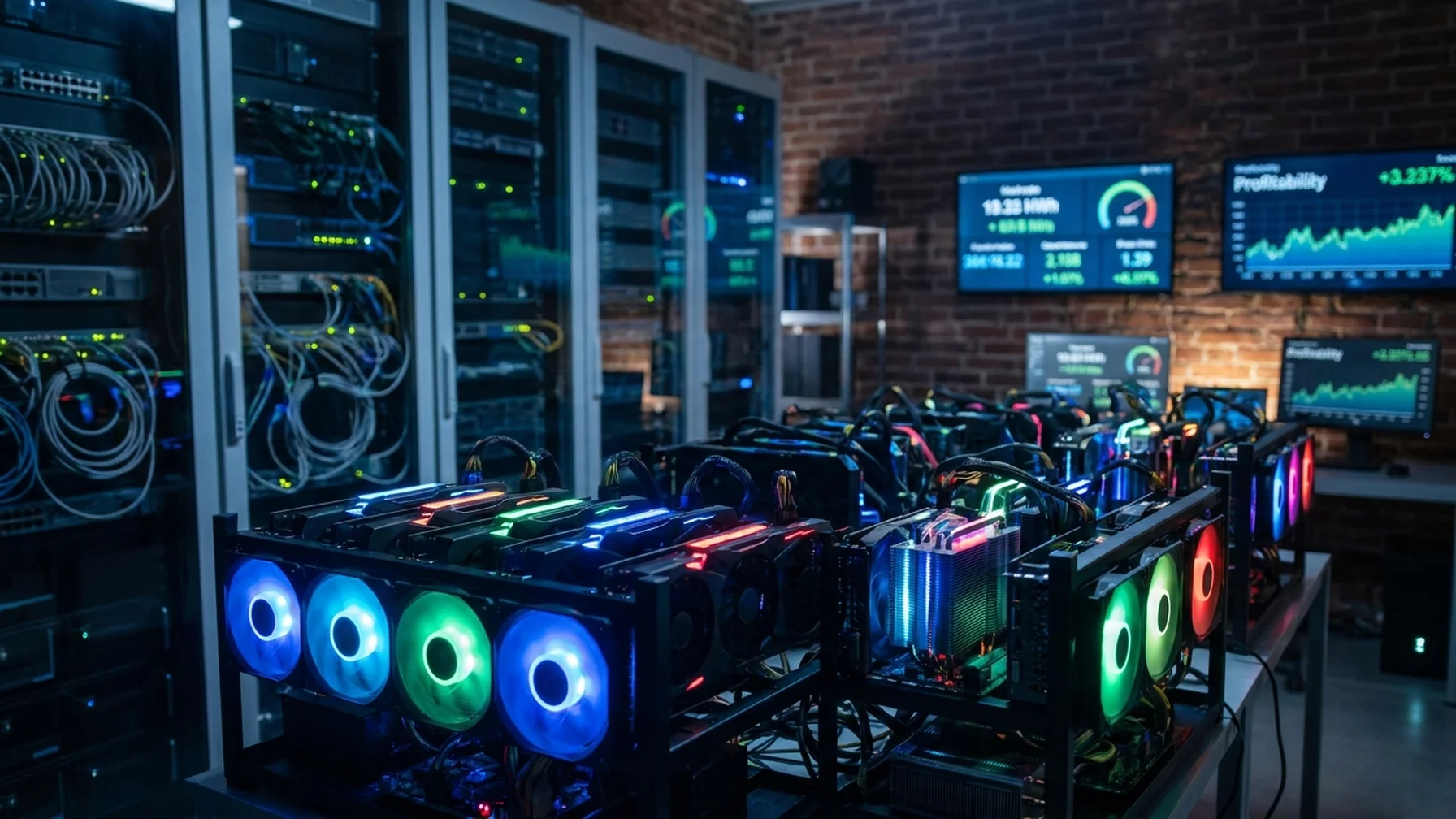
Building a mining rig requires selecting and assembling the right components. Below is a checklist of what you'll need:
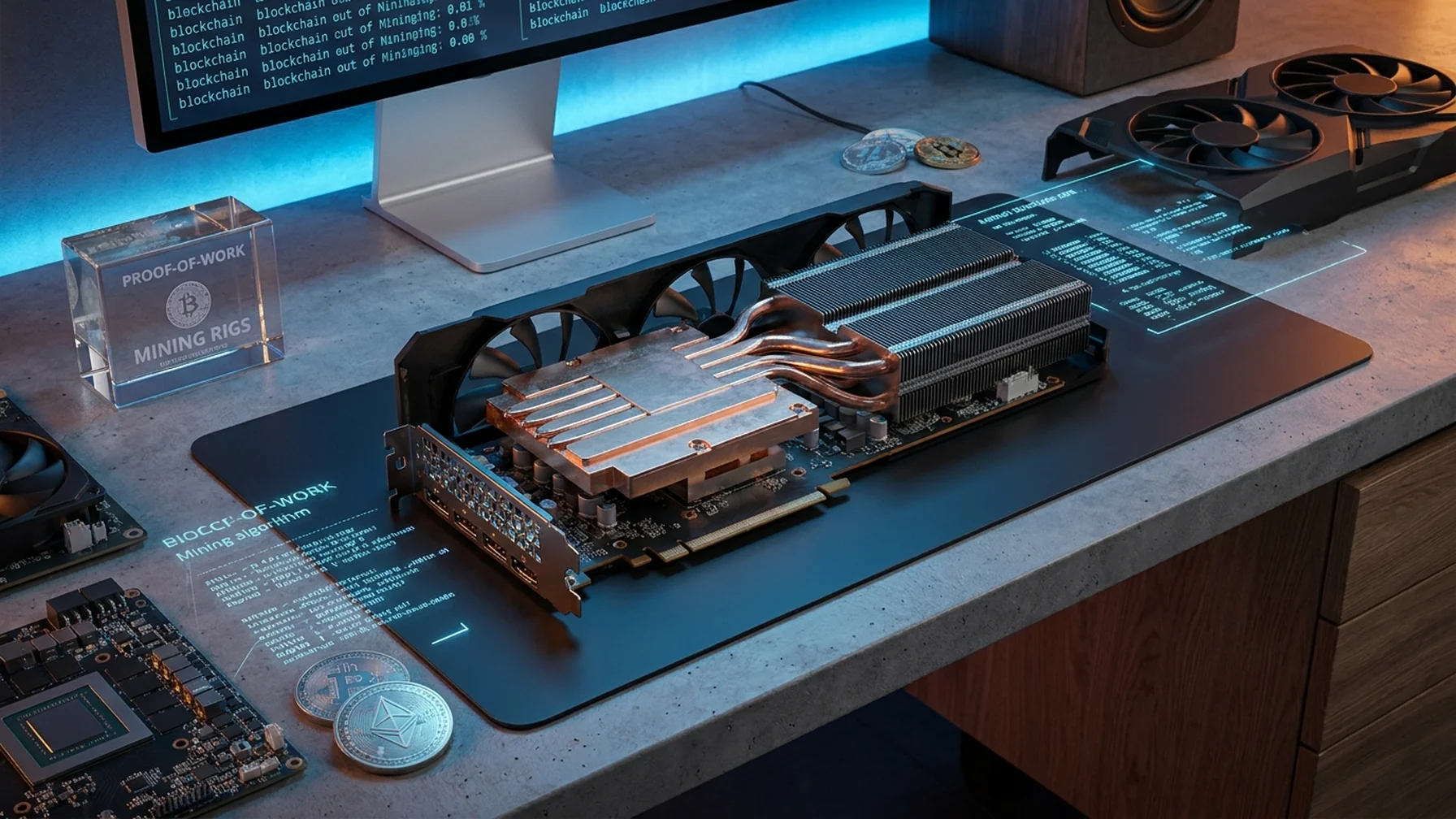
- Graphics Processing Units (GPUs) or Application-Specific Integrated Circuits (ASICs)
- Reliable motherboard
- Adequate RAM
- Power supply unit
- Efficient cooling system
Once you have these components, follow these steps to assemble your mining rig:
- Install the motherboard into the rig frame.
- Attach the CPU and RAM to the motherboard.
- Connect the GPUs or ASICs securely.
- Install the power supply unit and connect all components.
- Set up the cooling system to prevent overheating.
Beginners should use detailed guides and tutorials to ensure proper assembly, crucial for efficient mining operations.
Key Factors in Calculating Mining Profitability
When calculating mining profitability, several factors need consideration. Here’s a breakdown:
- Electricity costs and consumption rates
- Hardware efficiency and upfront investment
- Current cryptocurrency market prices
- Mining pool fees (if applicable)
- Potential hardware depreciation
- Expected rewards based on mining difficulty
By understanding these factors, miners can better estimate potential returns and make informed decisions about their operations.
Comparing Mining Hardware: ASICs vs. GPUs
Choosing the right mining hardware is crucial. Here's a comparison of ASICs and GPUs to help you decide:
ASICs are specialized for mining specific cryptocurrencies, offering higher efficiency and speed but at a higher cost and less versatility. GPUs, on the other hand, are more accessible for beginners and offer flexibility to mine different coins.
| Hardware Type | Efficiency | Cost | Versatility |
|---|---|---|---|
| ASICs | High | Expensive | Low |
| GPUs | Moderate | Less Expensive | High |
This table provides a clear comparison, aiding in selecting the best hardware based on your needs and budget.
Calculating Mining Profitability: A Practical Approach
To calculate mining profitability, follow these essential steps:
- Determine your mining hardware's hash rate.
- Calculate electricity costs associated with mining.
- Consider the current cryptocurrency market price.
- Include mining pool fees, if applicable.
- Account for potential hardware depreciation over time.
- Estimate your expected rewards based on mining difficulty.
These calculations give you a clearer understanding of the potential profitability of your mining operation, helping you make informed financial decisions in the cryptocurrency space.
Environmental Impact of Crypto Mining
Crypto mining is energy-intensive, raising environmental concerns. Here's how to mitigate the impact:
Using energy-efficient hardware, optimizing software settings, and exploring renewable energy sources like solar power can reduce the carbon footprint of mining. These steps make mining more sustainable and environmentally friendly.
Mining Pools: A Steady Income Stream
Mining pools combine computational power to increase the chance of solving a block and earning rewards. Here are some benefits:
- More consistent earnings compared to solo mining
- Reduced risks associated with mining alone
- Access to a community of miners for support and advice
Choosing a reliable mining pool with low fees and a good reputation can significantly enhance your mining efforts.
Conclusion: Is Mining Worth It?
Determining whether mining is worth the investment requires careful consideration of costs, potential returns, and environmental impact. While mining can be profitable, it also involves risks due to market volatility and increasing difficulty. By calculating mining profitability accurately, you can make informed decisions and optimize your mining operations for better outcomes.