Optimal GPU for Mining: A Comprehensive Guide
Table of Contents
Discover the best GPU for crypto mining to enhance profitability. Explore key comparisons and tips in our comprehensive guide for optimal selection.
Crypto mining has gained immense popularity with the rise of digital currencies like Bitcoin. Choosing the optimal GPU is crucial to maximizing mining profitability. This guide explores cryptocurrency mining, the role of GPUs, and how to select the best one for your needs.
Understanding Cryptocurrency Mining
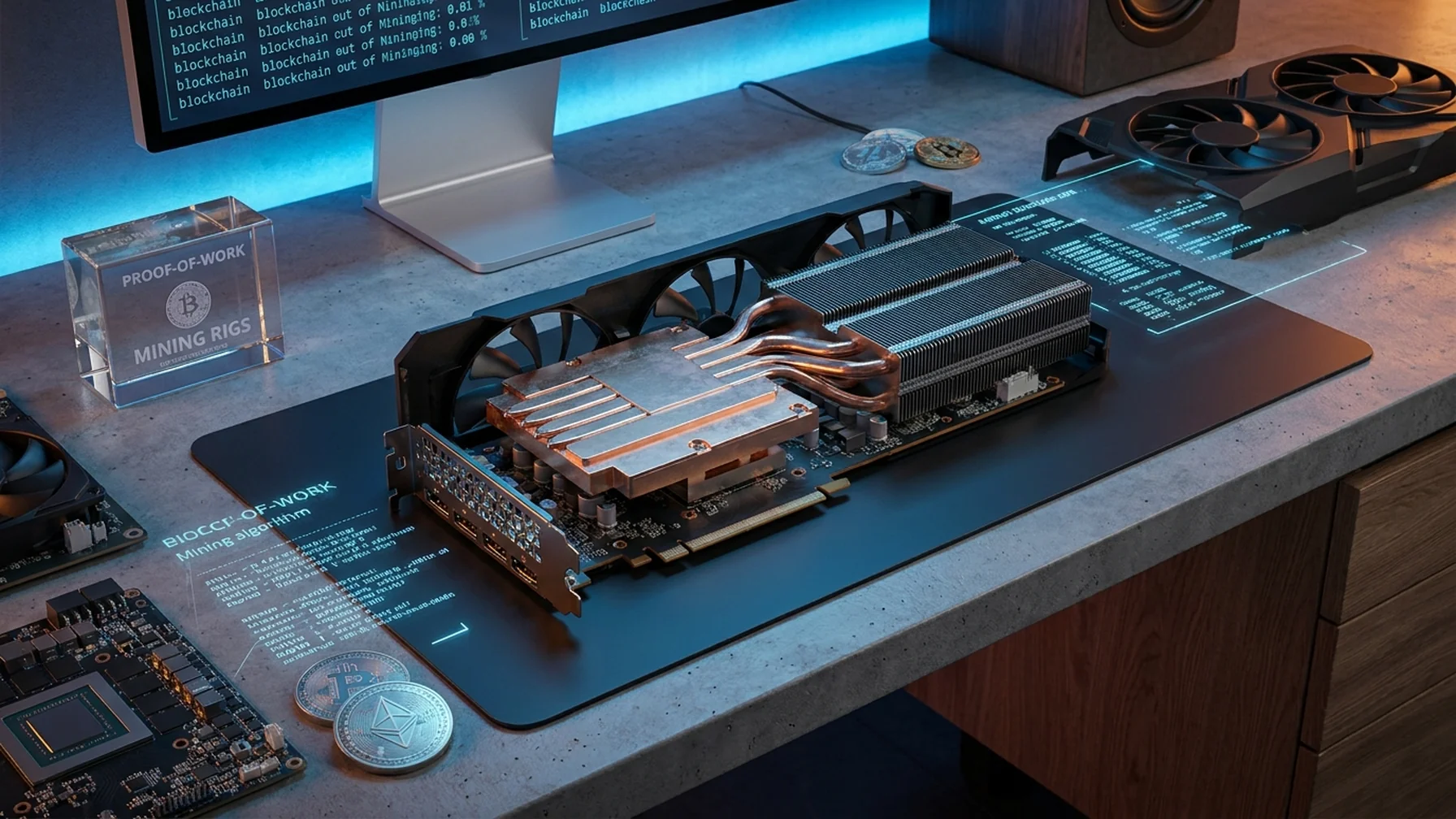
Cryptocurrency mining involves verifying transactions on a blockchain network, adding them to the public ledger. This process requires significant computational work and energy, especially for Bitcoin, which uses a Proof of Work (PoW) consensus algorithm. PoW ensures transaction validity through complex mathematical problems solved using hardware like GPUs.
To help you choose the best GPU for mining, here's a table comparing some top models based on hash rate, power consumption, and price efficiency.
| GPU Model | Hash Rate (MH/s) | Power Consumption (W) | Price ($) |
|---|---|---|---|
| NVIDIA GeForce RTX 3090 | 120 | 350 | 1500 |
| AMD Radeon RX 6800 XT | 90 | 300 | 1200 |
| NVIDIA GeForce RTX 3080 | 100 | 320 | 700 |
| AMD Radeon RX 5700 XT | 54 | 225 | 500 |
The table outlines various GPU models, detailing their hash rates and power consumption. This information helps miners choose effective options based on budget and efficiency needs.
Steps to Choose the Optimal GPU for Mining
Choosing the optimal GPU for mining can impact profitability and efficiency. Follow these steps to guide your selection:
- Define your mining goals and the cryptocurrencies you aim to mine.
- Research and compare the hash rates and power consumption of different GPUs.
- Check the availability and pricing of GPUs in the market.
By following these steps, you can select the best GPU that aligns with your mining objectives, ensuring a rewarding mining experience.
Factors to Consider When Selecting a GPU
When choosing a GPU for mining, several factors must be considered. Key points include:
- Hash rate performance: Higher hash rates improve mining efficiency.
- Energy consumption: Seek GPUs with a balance of performance and power usage.
- Cooling solutions: Effective cooling enhances performance and longevity during intensive tasks.
Focusing on these aspects can help miners make informed decisions to maximize return on investment.
How Does Bitcoin Mining Work?
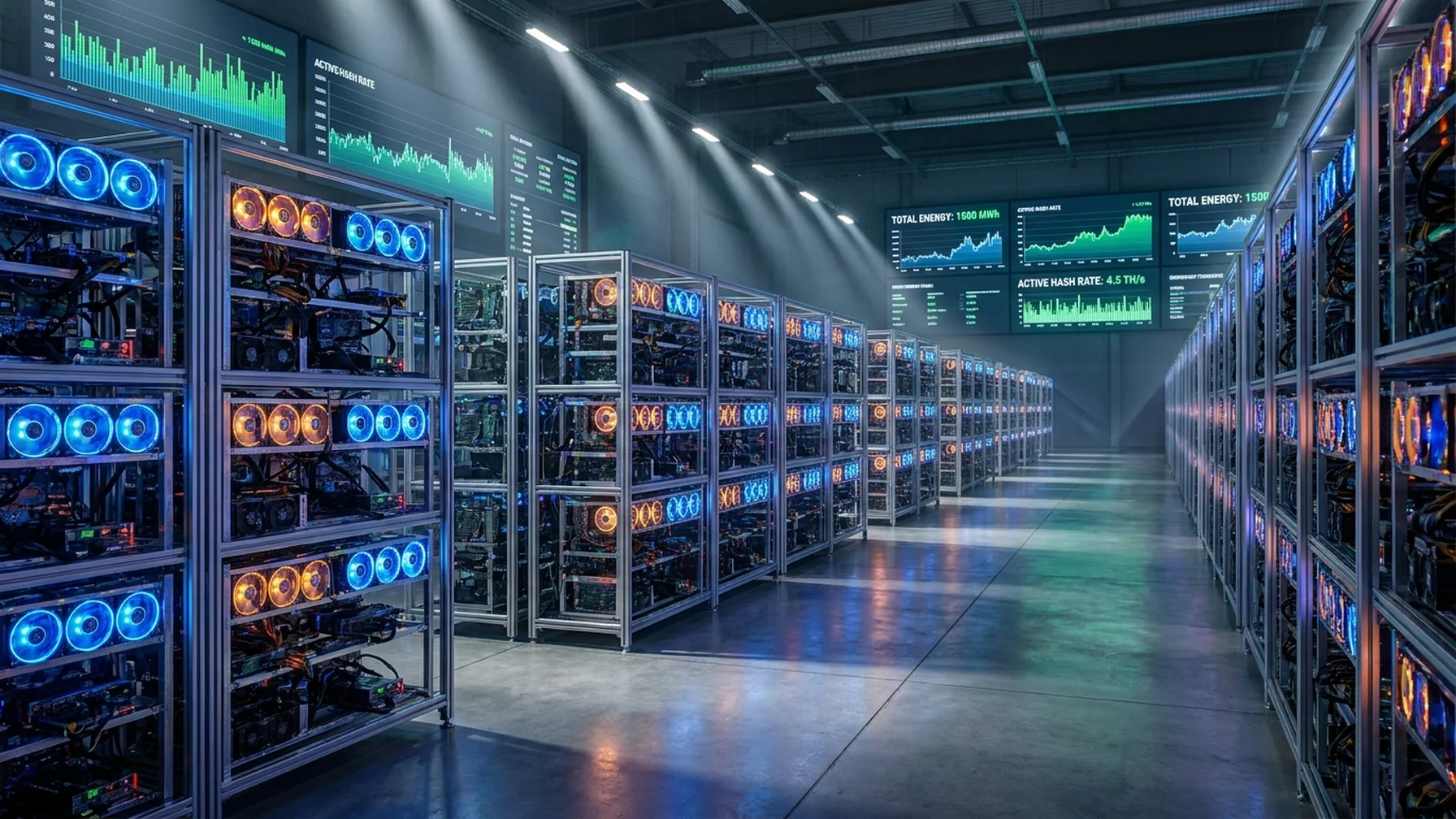
Bitcoin mining involves solving cryptographic puzzles to validate transactions on the network. Miners compete to solve these puzzles, and the first to succeed adds a new block to the blockchain, earning Bitcoin rewards. This process requires substantial computing power, making mining hardware selection crucial.
Is Crypto Mining Profitable?
Mining profitability depends on hardware efficiency, electricity costs, and market conditions. While potentially lucrative, it's important to consider initial hardware investment and ongoing operational costs. As Bitcoin's mining difficulty rises, more powerful mining rigs become necessary.
ASIC vs. GPU Mining: Which Is Better?
Choosing between ASIC (Application-Specific Integrated Circuit) and GPU (Graphics Processing Unit) mining depends on your goals. ASICs offer higher efficiency but are more expensive and less versatile. GPUs, however, are adaptable and can mine various cryptocurrencies, making them popular among miners.
Building a Mining Rig: Essential Components
A mining rig is a custom computer system designed to mine cryptocurrencies. Key components include the motherboard, GPU(s), power supply, and cooling system. The GPU is the most critical part, performing the computational work required for mining.
Optimizing Mining Hardware Power Consumption
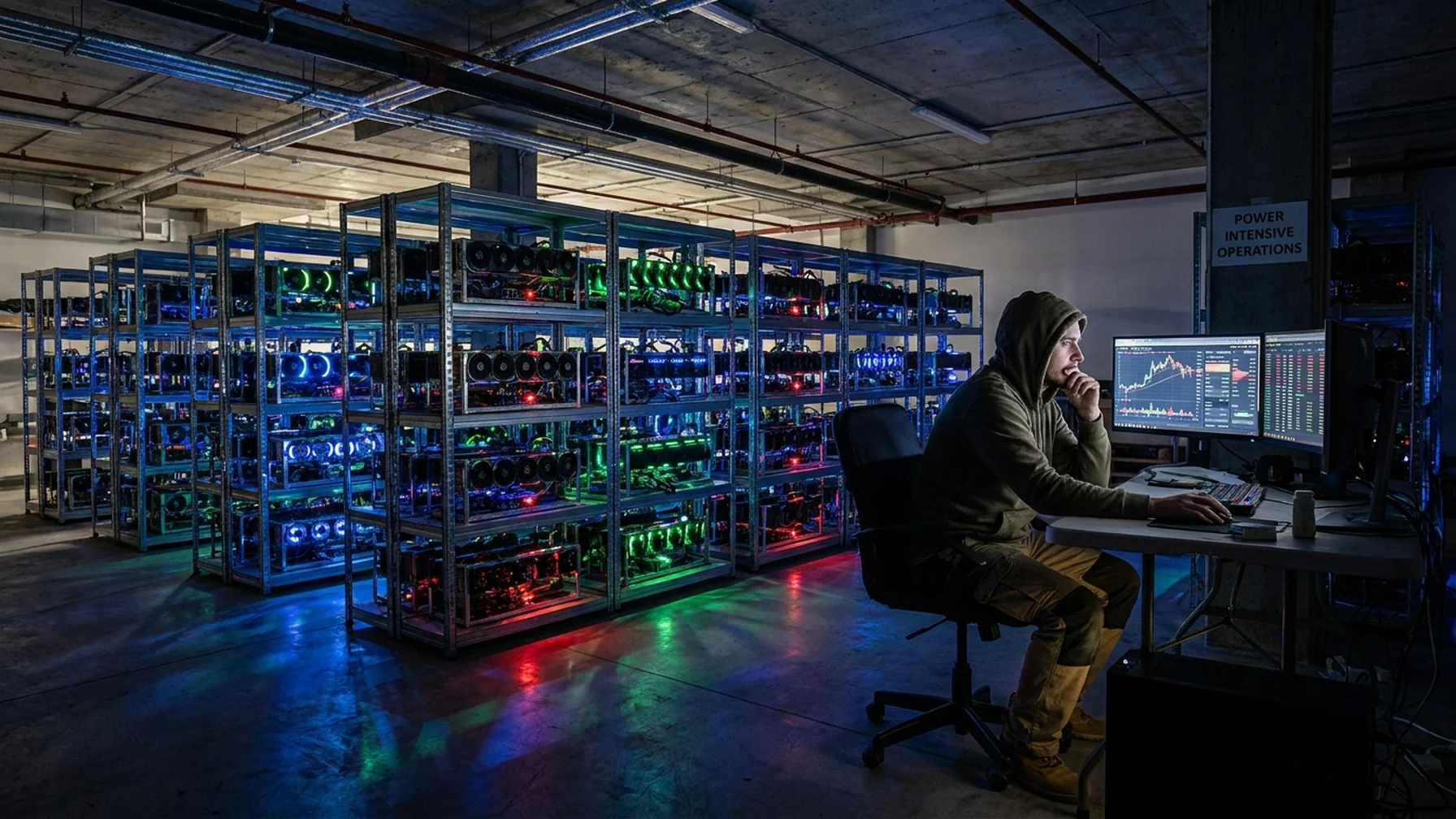
Power consumption significantly affects mining profitability, as GPUs require substantial electricity. Monitoring and optimizing power usage can reduce expenses. For example, undervolting your GPU can maintain performance while decreasing energy consumption.
Understanding Mining Pools
Mining pools are groups of miners who combine resources to increase their chances of solving blocks. Joining a mining pool offers more consistent rewards compared to solo mining. To join, select a reputable pool, create an account, and configure your mining software to connect.
Calculating Mining Profitability
To calculate mining profitability, consider hash rate, electricity costs, and cryptocurrency price. Online calculators can estimate potential earnings, factoring in network difficulty and hardware efficiency. Regularly reassessing these factors is crucial to maintaining profitability.
Environmental Impact and Energy Efficiency
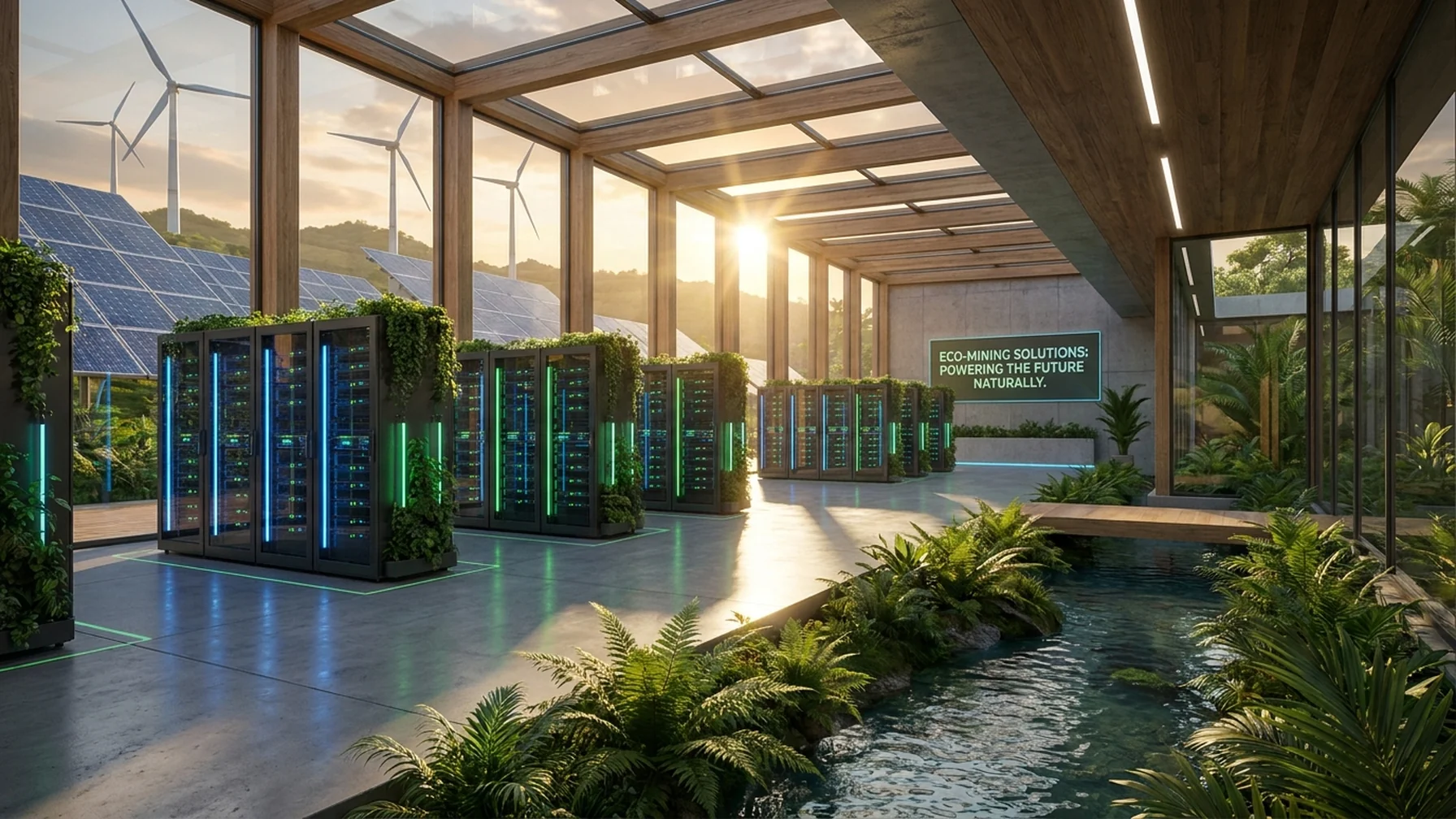
Bitcoin mining often faces criticism for its environmental impact due to high energy consumption. However, miners are exploring methods like solar power to reduce their carbon footprint. Optimizing energy efficiency and using renewable energy sources can make mining more sustainable.
Understanding Bitcoin Halving
Bitcoin halving occurs approximately every four years, cutting the block reward miners receive in half. This event reduces the rate at which new Bitcoins are created, affecting miners' profitability. Understanding halving is vital for long-term mining strategy, as it impacts supply and demand dynamics.
In summary, choosing the optimal GPU for mining involves balancing performance, cost, and energy efficiency. As the crypto landscape evolves, staying informed about mining technology and techniques can help maximize returns while minimizing environmental impact.