Understanding Mining Rigs: A Comprehensive Guide
Table of Contents
Discover everything you need to know about mining rigs, from their role in crypto mining to how to build one in this comprehensive guide.
As cryptocurrencies continue to grow in popularity, understanding mining rigs has become important for both enthusiasts and investors. Mining rigs are central to blockchain networks, especially those using proof-of-work systems like Bitcoin. This guide explains the essentials of crypto mining, the role of mining rigs, and how they fit into the broader context of blockchain technology.
What Is Crypto Mining?
Crypto mining is the process of validating transactions and adding them to a blockchain ledger. For Bitcoin and other proof-of-work cryptocurrencies, this involves solving complex mathematical puzzles. Miners compete to solve these puzzles, and the first to do so adds a block of transactions to the blockchain, earning a reward in the form of newly minted coins.
How to Build a Mining Rig
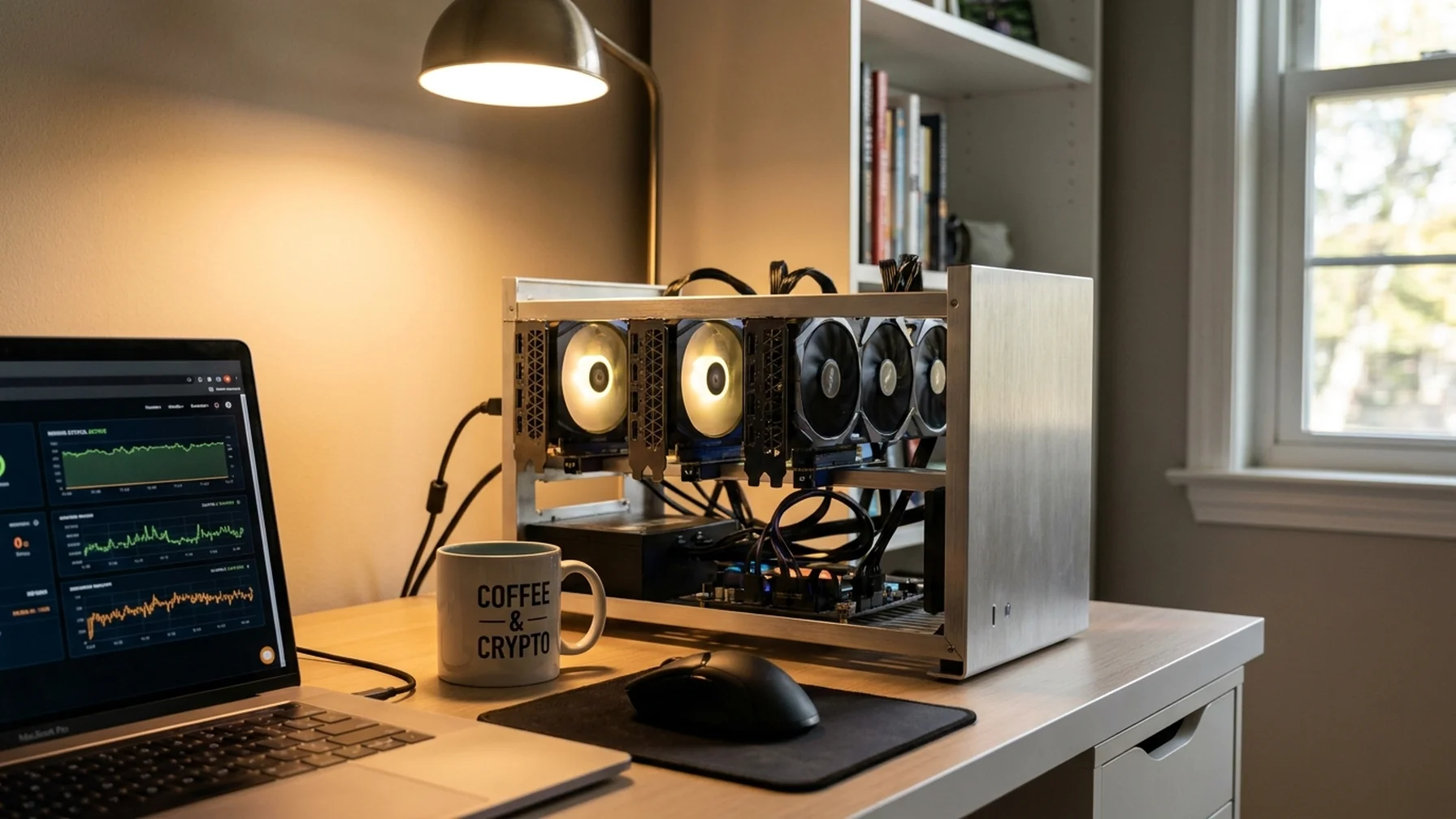
Building a mining rig requires selecting the right components and assembling them carefully. Here are the key items you will need:
- A sturdy frame
- A compatible motherboard
- GPUs or ASICs
- A reliable power supply
- Efficient cooling
Once you have gathered these components, follow these steps to assemble your mining rig:
- Install the motherboard onto the frame.
- Secure the GPUs or ASICs in place.
- Connect the power supply to each component.
- Set up the cooling system to ensure proper airflow.
- Install the mining software to start the process.
Ensure all parts are securely connected and check that everything is functioning properly before starting mining operations.
Understanding Mining Rigs: Key Considerations
When exploring mining rigs, it's important to understand their components and functionalities. Here are some key points to consider:
- Definition of a mining rig and its purpose in cryptocurrency mining.
- Different types of mining rigs: ASIC vs. GPU rigs.
- Factors influencing mining rig performance: hash rate, power consumption, and cooling systems.
By grasping these fundamental aspects, you can make informed decisions about mining equipment and optimize your mining strategy.
ASIC vs GPU Mining: A Comparison
ASICs are custom-built devices that excel in mining specific cryptocurrencies, offering high efficiency and performance. In contrast, GPUs are versatile and can mine various coins but at a lower efficiency. The choice between them depends on your mining goals and budget.
Here's a quick comparison of ASIC and GPU mining:
| Feature | ASIC Mining | GPU Mining |
|---|---|---|
| Efficiency | High | Moderate |
| Versatility | Low | High |
| Initial Cost | High | Moderate |
| Energy Consumption | Lower per hash | Higher per hash |
Evaluating these factors will help you choose the right type of mining rig for your needs.
How Does Bitcoin Mining Work?
Bitcoin mining relies on specialized hardware to perform calculations at high speeds. The hardware solves cryptographic puzzles, known as hashes, to validate transactions. This process requires significant computational power and electricity, making efficient mining rigs essential.
Is Crypto Mining Profitable?
Profitability in crypto mining depends on several factors: the cost of hardware, electricity prices, and the current price of the cryptocurrency. Miners must calculate their potential earnings versus expenses. This can be done using online calculators that consider hash rate, power consumption, and electricity costs.
Mining Hardware Power Consumption
Mining hardware can consume a lot of electricity. Calculating power consumption is crucial for determining profitability. Consider the power rating of each component and the total energy usage of your setup. Regular monitoring and optimization can help reduce costs.
Tips for Beginners: Choosing Mining Hardware
Beginners should start with user-friendly hardware like the Bitmain Antminer series for ASIC mining or entry-level GPUs for versatility. These options provide a good balance of performance and ease of use, making them ideal for those new to mining.
Joining a Mining Pool
A mining pool is a collective of miners who combine their computational power to increase the chances of mining a block. Rewards are shared among participants based on their contributed hash power.
To join a mining pool, choose a reputable pool, sign up on their website, and configure your mining software to connect to the pool. Ensure your hardware is compatible with the pool's requirements for optimal performance.
Solo Mining vs Pool Mining
Solo mining involves mining independently, which can lead to higher rewards but with inconsistent payouts. Pool mining offers regular, smaller payouts by leveraging collective power. Choose based on your resources and risk tolerance.
Mining and Environmental Concerns
Bitcoin mining has been criticized for its environmental impact due to high energy consumption. However, the shift towards renewable energy and more efficient mining practices is helping to mitigate these concerns. Using solar power for mining can drastically reduce electricity costs and environmental impact, making mining operations more sustainable.