Understanding Mining Hardware Energy Consumption in Cryptocurrency
Table of Contents
Explore the energy consumption of cryptocurrency mining hardware and its impact on effectiveness. Understand why this knowledge is crucial for every miner.
Cryptocurrency mining has become a popular topic, particularly when addressing energy consumption. This article delves into the nuances of mining hardware energy consumption, exploring its impact on the overall mining process and why it's crucial for miners to understand.
What Is Cryptocurrency Mining?
Cryptocurrency mining is the process of validating transactions and adding them to a blockchain ledger. This is primarily achieved through a proof-of-work (PoW) mechanism, where miners solve complex mathematical problems. As a reward, miners receive cryptocurrency. Bitcoin is the most well-known cryptocurrency that uses PoW, making mining an essential component of its network.
How Bitcoin Mining Works
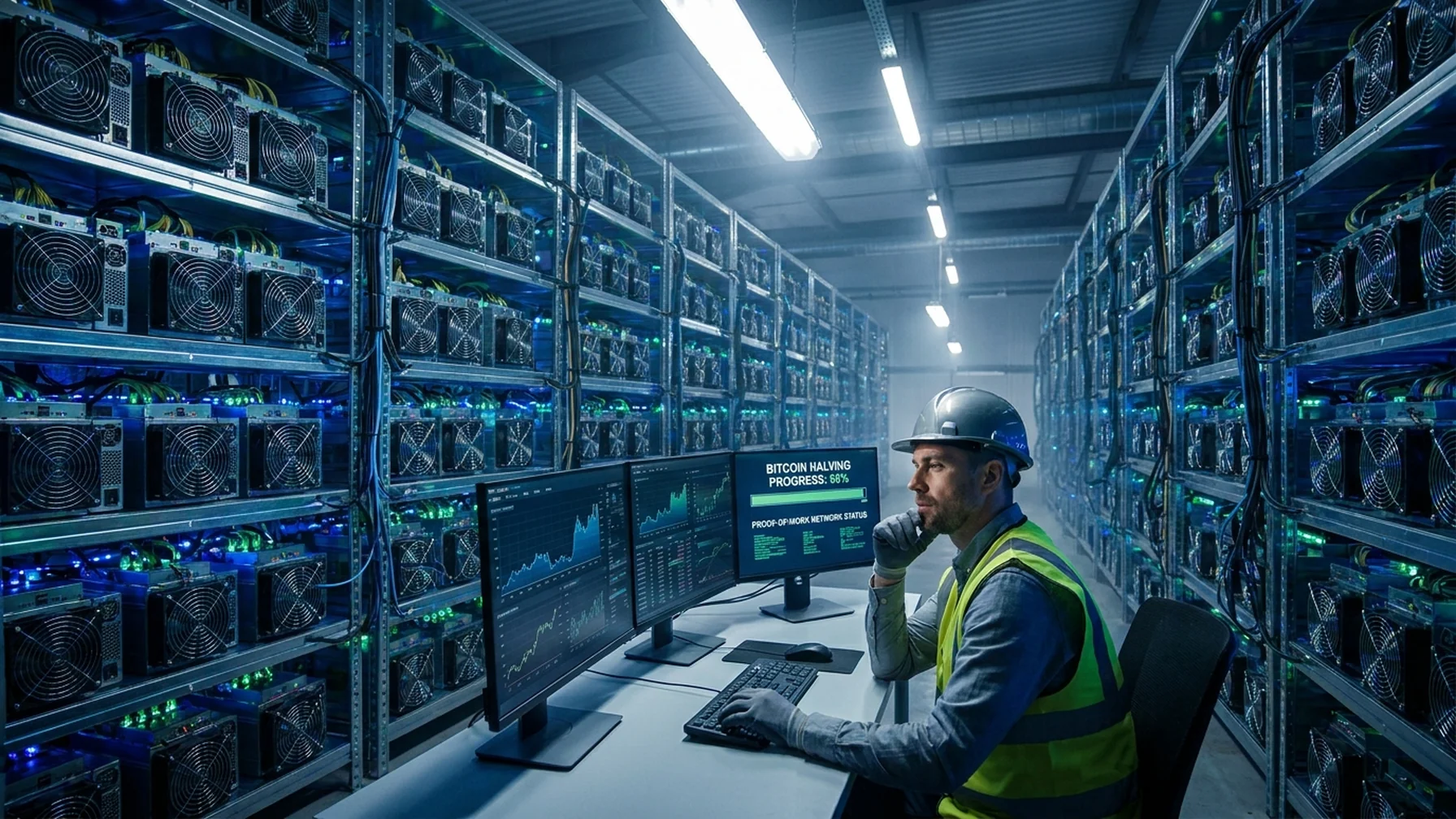
Bitcoin mining involves using powerful computers to solve cryptographic puzzles. Once a puzzle is solved, a new block is added to the blockchain, and the miner is rewarded with a certain number of bitcoins. This process consumes a significant amount of energy, as the computers run continuously to increase the chances of solving the puzzles first.
Mining Hardware Energy Consumption Explained
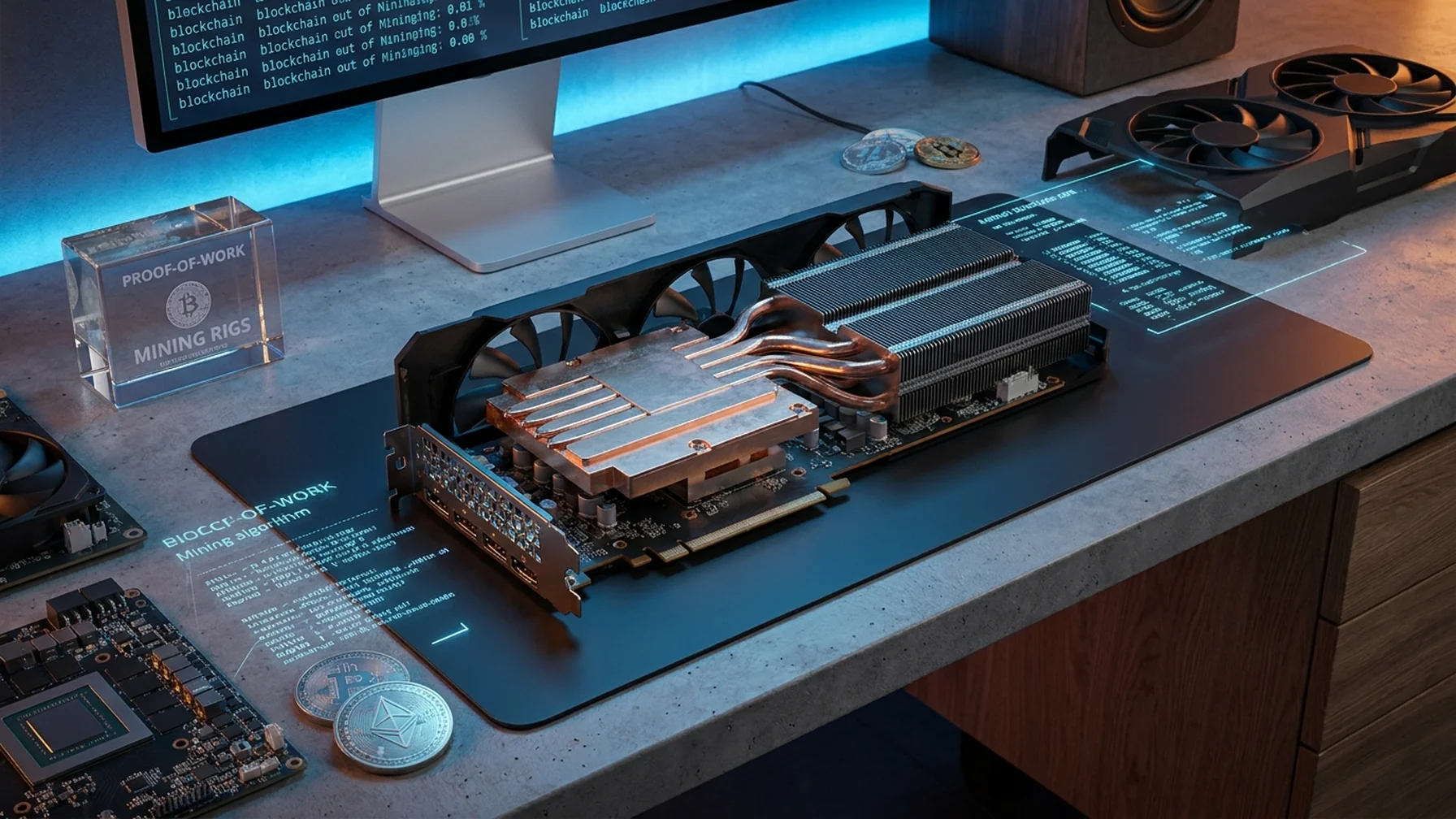
Mining hardware energy consumption refers to the amount of electricity used by mining equipment like ASICs (Application-Specific Integrated Circuits) and GPUs (Graphics Processing Units). Energy consumption is a critical factor for miners, as it directly affects profitability. High energy usage can erode profits, especially in regions with expensive electricity.
ASIC vs. GPU Mining: Energy Considerations
When choosing between ASIC and GPU mining, energy consumption is a major consideration.
- ASIC Mining: ASICs are custom-built for mining specific cryptocurrencies. They are more energy-efficient than GPUs but come at a higher cost. ASICs are typically used for mining Bitcoin due to their efficiency and power.
- GPU Mining: GPUs are versatile and can mine various cryptocurrencies. While not as energy-efficient as ASICs, they are more affordable and easier to upgrade.
Choosing between ASIC and GPU mining depends on several factors, including the miner's budget, the cryptocurrency being mined, and local electricity costs.
How to Calculate Mining Profitability
Calculating the profitability of mining hardware involves several key factors, including energy consumption, hardware efficiency, and current market conditions. Understanding these can help you make informed decisions about your mining operations. To effectively calculate the profitability, follow these steps:
- Determine the hash rate of your mining hardware.
- Identify the power consumption in watts.
- Check the current mining difficulty and cryptocurrency price.
- Calculate the electricity cost per kilowatt-hour.
- Estimate the total energy cost by multiplying power consumption by electricity cost and operational hours.
- Calculate potential earnings using hash rate, difficulty, and cryptocurrency price.
- Subtract the energy cost from potential earnings to determine profitability.
For a clear comparison of different mining hardware options, consider the table below, which shows key metrics:
Example Mining Hardware Profitability Table
| Hardware Model | Hash Rate (TH/s) | Power Consumption (W) | Electricity Cost ($/kWh) | Estimated Monthly Profit ($) |
|---|---|---|---|---|
| Model A | 100 | 3000 | 0.10 | 150 |
| Model B | 120 | 3200 | 0.12 | 180 |
| Model C | 110 | 3100 | 0.11 | 170 |
Using this method and table, you can compare different mining hardware options and make an informed decision about which is the most profitable under current conditions.
Strategies for Reducing Mining Electricity Costs
Miners can reduce electricity costs through several strategies:
- Use Energy-Efficient Hardware: Invest in the latest mining hardware that offers high hash rates while consuming less power.
- Optimize Settings: Adjust hardware settings to maximize efficiency.
- Renewable Energy Sources: Consider using solar or wind power to cut down electricity bills.
Implementing these strategies can significantly lower operational costs and improve profitability.
Impact of Mining on the Environment
Bitcoin mining's energy consumption has raised environmental concerns. However, the impact varies based on the energy source. Mining operations powered by renewable energy are less harmful than those relying on fossil fuels. As the industry evolves, there's a growing push towards sustainable mining practices.
The Role of Mining Pools
Mining pools allow multiple miners to combine their computational power, increasing the chance of solving blocks and earning rewards. This shared approach can be more energy-efficient and cost-effective than solo mining. Popular mining pools offer easy entry for beginners and often include tools to help track energy consumption.
Mining Difficulty and Bitcoin Halving
Mining difficulty adjusts approximately every two weeks to ensure a steady flow of new bitcoins. When the difficulty increases, more computational power—and consequently, more energy—is required to mine the same amount of cryptocurrency. Bitcoin halving, which occurs every four years, reduces the reward for mining a block by half, affecting miners' profitability and energy strategies.
Future of Mining: Energy Efficiency and Innovation
The future of cryptocurrency mining will likely focus on improving energy efficiency. Innovations in mining hardware and increased use of renewable energy sources could lessen the environmental impact. As technology advances, miners will continue to seek ways to balance profitability with sustainable practices.
Overall, understanding mining hardware energy consumption is crucial for anyone involved in or considering cryptocurrency mining. By staying informed and adopting energy-efficient practices, miners can maximize their returns while minimizing environmental impact.