Mining vs Staking Cryptocurrency: Understanding the Key Differences
Table of Contents
Explore the key differences between mining and staking in cryptocurrency. Discover how each method works to help you choose the best way to earn digital assets.
As the cryptocurrency landscape evolves, two prominent methods of earning digital assets emerge: mining and staking. Both play significant roles in cryptocurrency ecosystems, but they operate in distinct ways. This article delves into the intricacies of crypto mining, how Bitcoin mining operates, and contrasts it with staking, helping you make informed decisions on which path might suit you best.
What is Crypto Mining?
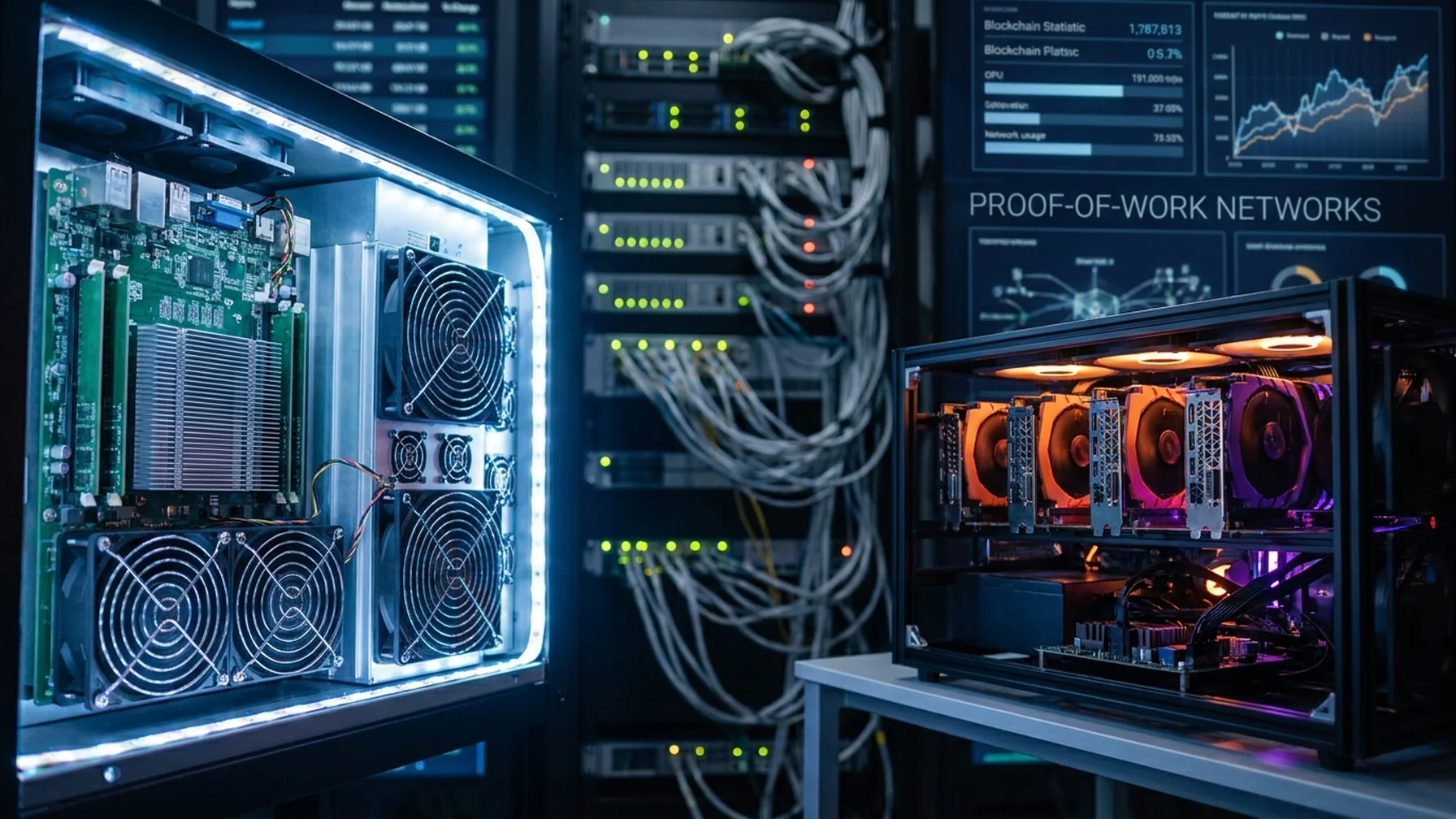
Crypto mining is the process of validating transactions on a blockchain network, specifically those that use a proof-of-work (PoW) mechanism like Bitcoin. Miners compete to solve complex mathematical puzzles, and the first to solve one gets to add a block to the blockchain, earning a reward in the form of cryptocurrency.
How Does Bitcoin Mining Work?
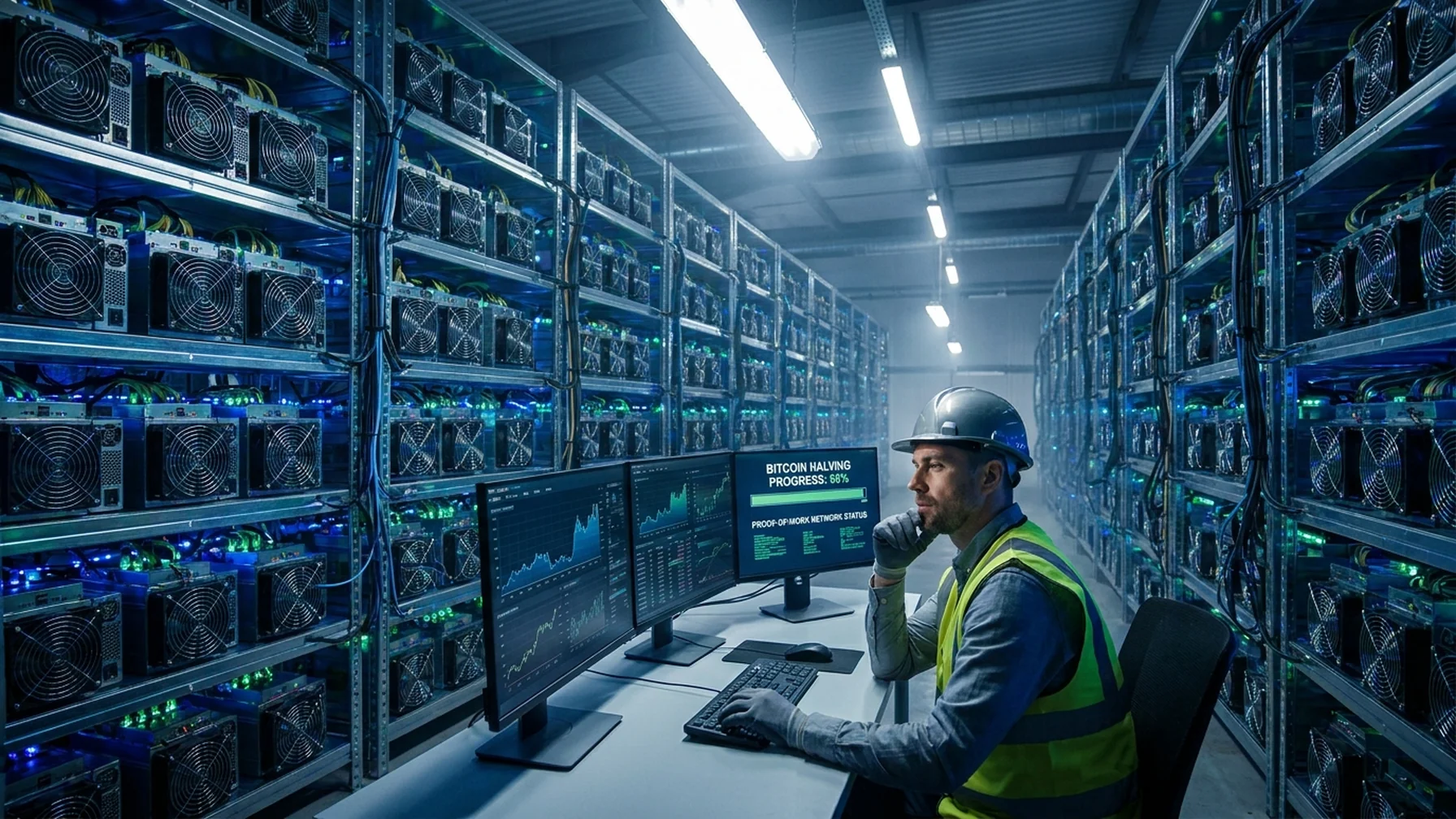
Bitcoin mining involves using specialized hardware to solve cryptographic puzzles. This process requires significant computational power and energy. Miners verify transactions, ensuring they are legitimate and preventing the double-spending problem. Below are some key aspects of Bitcoin mining:
- Specialized hardware: Devices like ASICs are tailored for mining efficiency.
- Energy consumption: High electricity usage is a significant factor in mining.
- Verification: Miners confirm transaction legitimacy to secure the network.
- Rewards: Currently, miners earn 6.25 BTC per block, which changes with halving events.
Mining vs Staking: A Comparison
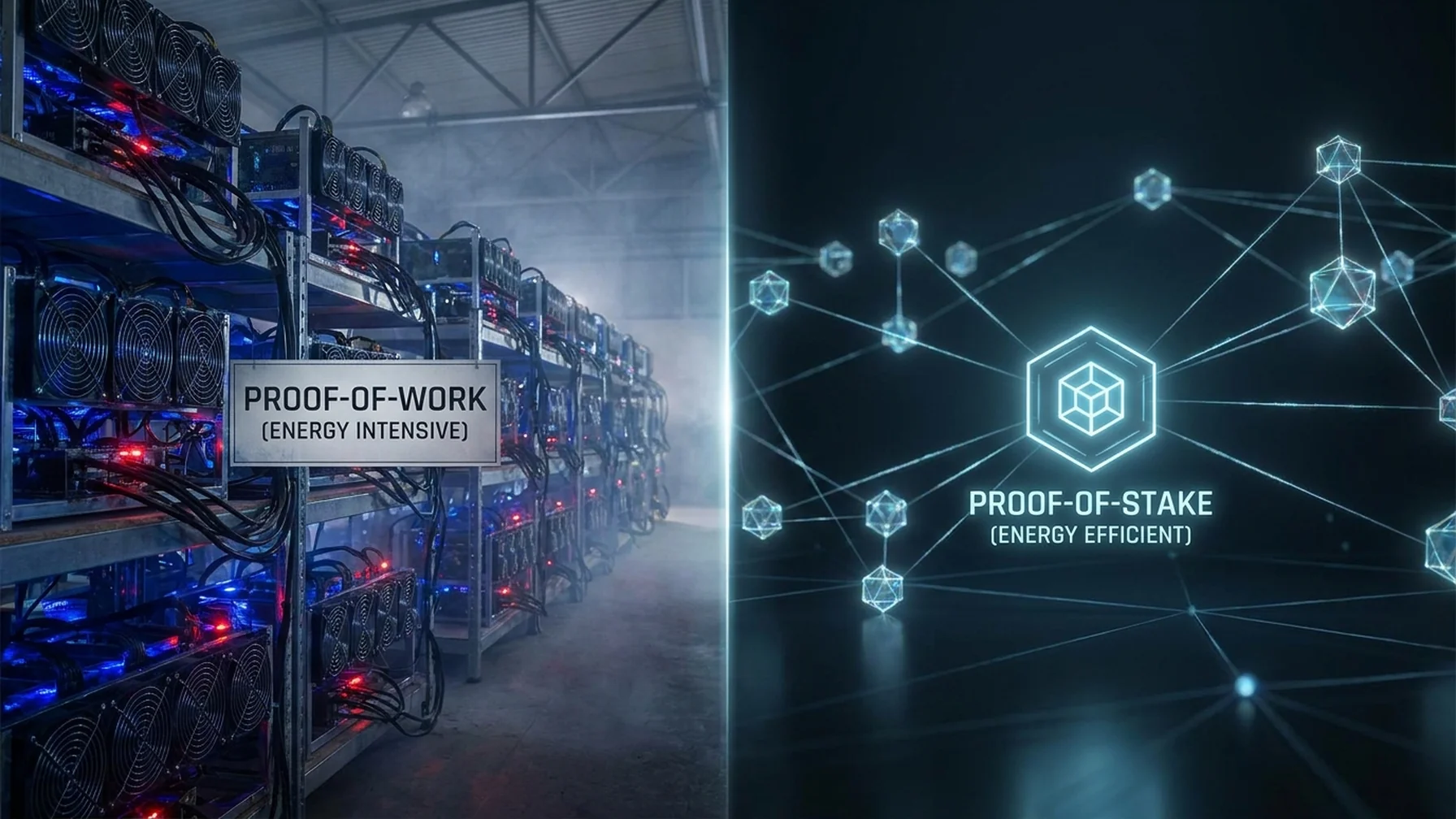
Mining and staking serve similar purposes but through different methods. Mining involves proof-of-work (PoW) and significant energy consumption, while staking relies on proof-of-stake (PoS) and requires holding a certain amount of cryptocurrency to earn rewards. Here are some key differences between the two:
| Aspect | Mining | Staking |
|---|---|---|
| Energy Consumption | High | Low |
| Method | Computational Power | Crypto Holdings |
| Requirements | Specialized Hardware | Cryptocurrency Amount |
| Rewards | Block Rewards | Holding Rewards |
Overall, staking is generally considered to be a more sustainable and accessible process than mining, especially for those concerned about energy usage.
Proof of Work Explained
Proof of Work is a consensus mechanism where miners solve complex puzzles to validate transactions and secure the network. This system deters malicious actors by making it resource-intensive to alter the blockchain, thereby ensuring the network's integrity.
Key characteristics of Proof of Work include:
- Resource-intensive: Requires significant computational power and energy.
- Security: Difficult to alter the blockchain due to the high cost of computing.
- Decentralization: Miners around the world contribute to the network's security.
Is Crypto Mining Profitable?
The profitability of crypto mining depends on several factors, including electricity cost, mining hardware efficiency, and the current price of Bitcoin. Before investing in mining equipment, it's important to consider these variables.
- Electricity cost: High electricity rates can significantly reduce profits.
- Mining hardware efficiency: More efficient hardware can yield higher returns.
- Current price of Bitcoin: Fluctuating Bitcoin prices affect potential earnings.
While mining can be lucrative, evaluating these factors is crucial to ensure a profitable venture.
Can You Still Mine Bitcoin at Home?
While it's technically possible to mine Bitcoin at home, the increasing difficulty and competition mean it's not as feasible as it once was. Home miners often struggle with high electricity costs and the need for advanced hardware to compete with industrial mining operations.
Best GPU for Mining
Choosing the best GPU for mining depends on several factors, including hash rate, power consumption, and initial cost. Popular choices include the NVIDIA GeForce RTX 3090 and AMD Radeon RX 6800 XT, known for their balance of performance and efficiency.
ASIC vs GPU Mining
ASIC miners are specialized devices designed solely for mining, offering higher efficiency and hash rates compared to GPUs. However, they are more expensive and less versatile. GPUs, while slower for mining, can be used for other tasks like gaming and graphic design.
What is a Mining Rig?
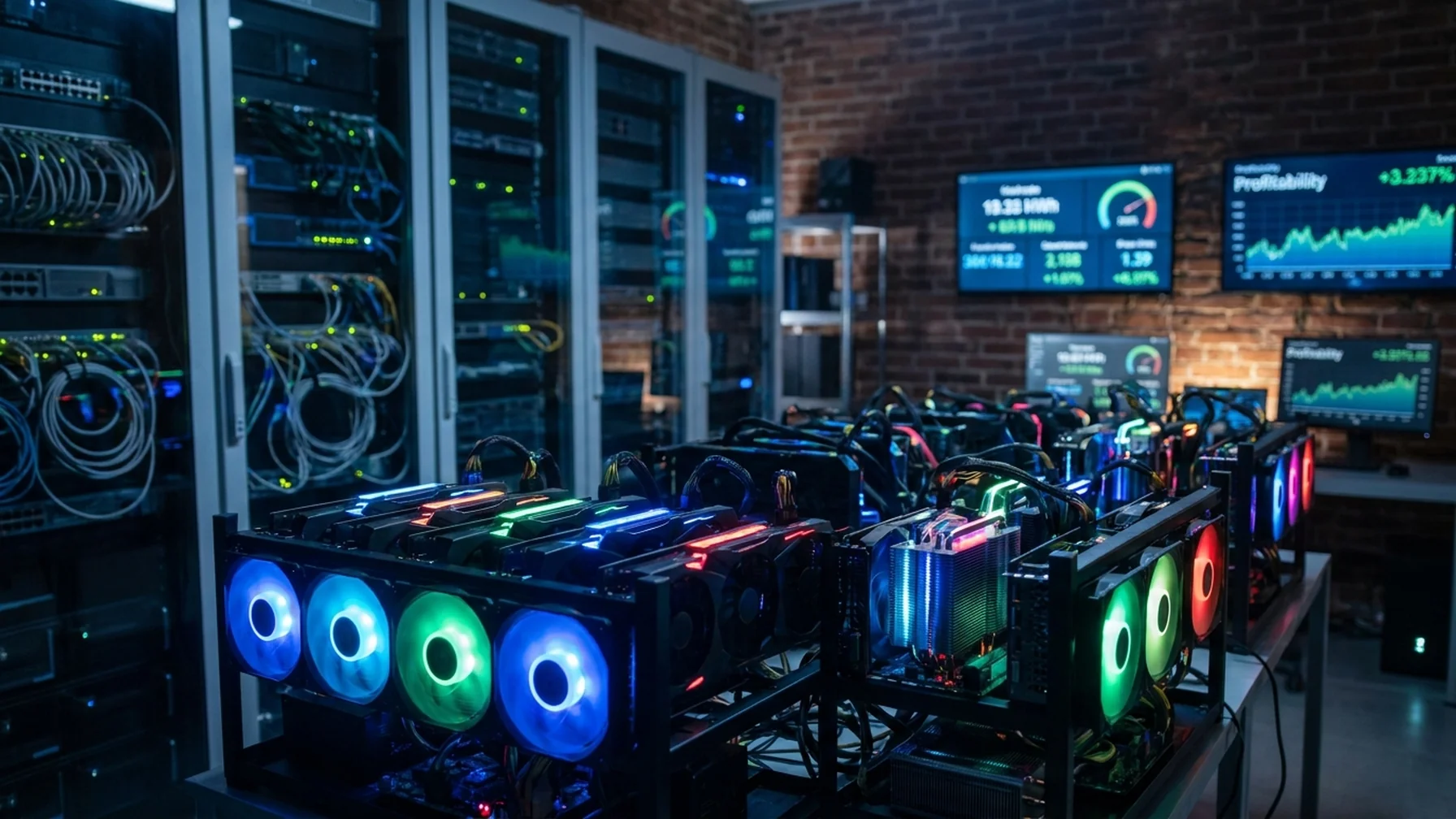
A mining rig is a setup of hardware components designed for cryptocurrency mining. It typically includes multiple GPUs or ASICs, power supplies, cooling systems, and a motherboard to manage connections and processing.
How to Build a Mining Rig
Building a mining rig involves selecting compatible components, assembling them, and configuring the software to start mining. Key components include GPUs or ASICs, a reliable power supply, and an efficient cooling system. Proper setup ensures optimal performance and longevity.
Mining Hardware Power Consumption
The power consumption of mining hardware is a crucial factor in determining profitability. High-performance devices consume more electricity, impacting overall costs. Monitoring and optimizing power usage can enhance mining efficiency and reduce expenses.
Best Mining Hardware for Beginners
For beginners, starting with a cost-effective and easy-to-use mining hardware is advisable. Options like the Bitmain Antminer S19 or a mid-range GPU can provide a good balance between performance and investment risk.
What is a Mining Pool?
A mining pool is a group of miners who combine their computational resources to increase their chances of successfully mining blocks. The rewards are distributed proportionally based on each miner's contribution, offering more consistent earnings.
How to Join a Mining Pool
To join a mining pool, choose a reputable pool that aligns with your cryptocurrency and mining hardware. Register on their platform, configure your mining software with the pool's details, and start mining. Pool mining can enhance earnings stability.
How to Calculate Mining Profitability
Mining profitability is calculated by considering factors such as hash rate, power consumption, electricity costs, and the current cryptocurrency price. Online calculators can assist in determining whether your mining setup will be profitable.
Solo Mining vs Pool Mining
Solo mining involves mining independently, keeping all rewards, but with lower chances of success. Pool mining increases the likelihood of consistent rewards but requires sharing with other miners. The choice depends on individual risk tolerance and goals.
Best Mining Pools
Some of the most popular mining pools include Slush Pool, F2Pool, and Antpool. These pools are known for their reliability and effective distribution of rewards, making them popular choices for miners worldwide.
How Much Electricity Does Mining Use?
Cryptocurrency mining is energy-intensive, with Bitcoin mining consuming around 91 terawatt-hours annually. This energy usage has environmental implications, prompting miners to seek more sustainable practices.
Most Energy Efficient Mining Practices
Energy-efficient mining practices involve optimizing hardware settings, using renewable energy sources, and participating in mining pools to reduce energy waste. These practices can minimize environmental impact and reduce electricity costs.
Is Bitcoin Mining Bad for the Environment?
Bitcoin mining's high energy consumption raises environmental concerns, particularly when powered by fossil fuels. However, efforts to use renewable energy sources can mitigate these impacts, making mining more sustainable.
Mining with Solar Power
Solar power offers a renewable energy source for mining, reducing reliance on the grid and lowering electricity costs. While the initial investment is significant, solar mining can become cost-effective in the long term.
Reduce Mining Electricity Cost
Miners can reduce electricity costs by optimizing hardware efficiency, utilizing off-peak electricity rates, and choosing energy-efficient mining equipment. These strategies can enhance profitability and sustainability.
What is Mining Difficulty?
Mining difficulty is a measure of how hard it is to find a new block on the blockchain. As more miners join the network, difficulty increases, requiring more computational power for the same rewards.
What is the Bitcoin Halving?
The Bitcoin halving occurs approximately every four years, reducing the block reward by half. This event decreases the rate at which new Bitcoins are generated, impacting miners' profitability and the cryptocurrency's supply dynamics.
How Halving Affects Miners
Bitcoin halving reduces miners' rewards, potentially impacting profitability. Miners must adapt by increasing efficiency or relying on Bitcoin's price appreciation to maintain earnings.
What Happens When All Bitcoin is Mined?
Once all 21 million Bitcoins are mined, miners will rely solely on transaction fees for revenue. This shift emphasizes the importance of transaction volume and network security to ensure miners' continued participation.