Building a Mining Rig: A Step-by-Step Guide
Table of Contents
Learn how to build a mining rig from scratch with our step-by-step guide. Discover essential components, assembly tips, and optimization strategies for...
With the surge in popularity of cryptocurrencies, many enthusiasts are keen to learn the art of crypto mining. This guide explores how to build a mining rig from scratch, offering insights into selecting the right components, assembling the hardware, and optimizing for profitability.
Crypto Mining Basics: What You Need to Know
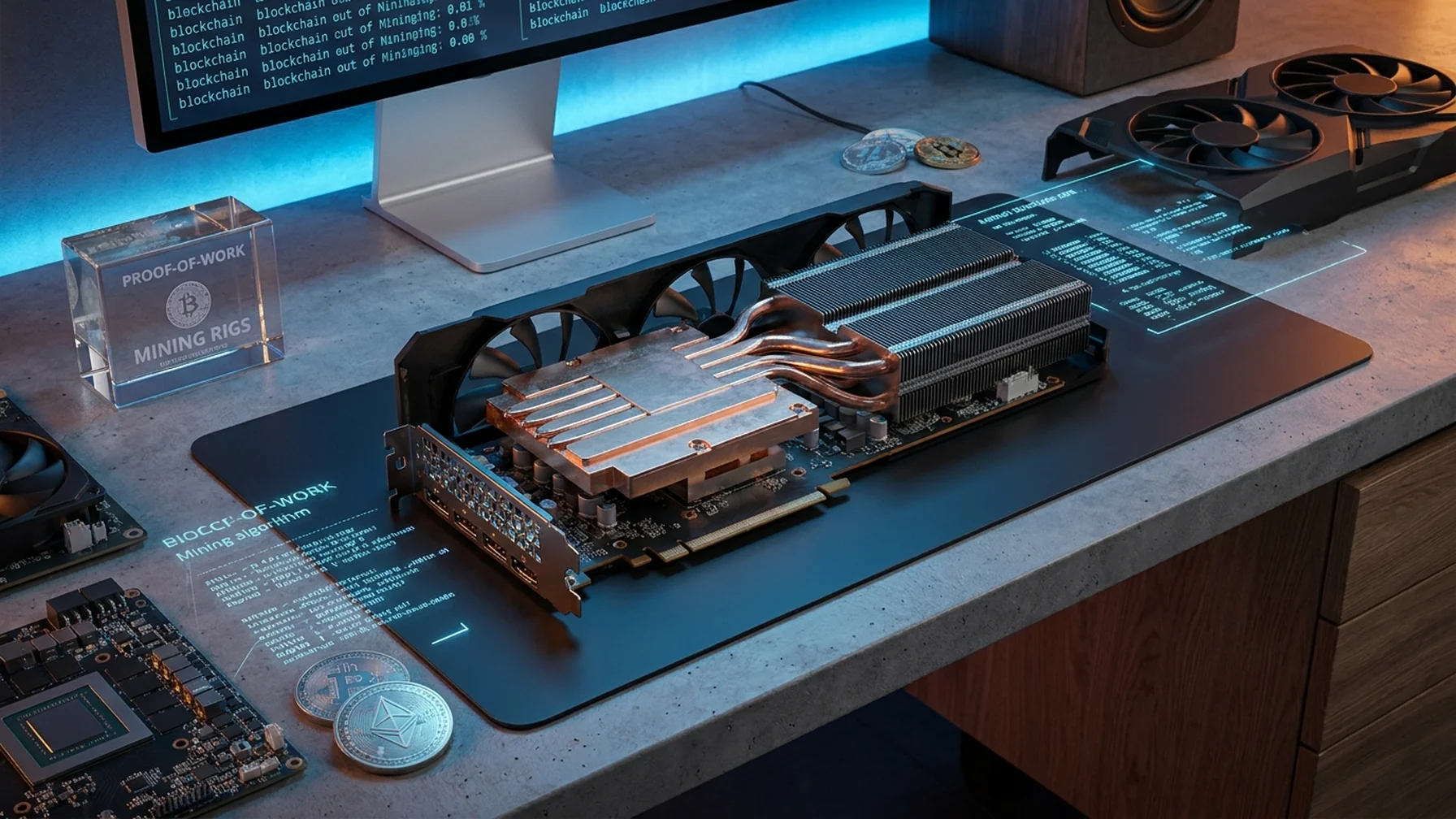
Before diving into the assembly of a mining rig, it's crucial to understand the basics of crypto mining. Crypto mining involves using computer power to solve complex mathematical puzzles, which helps validate transactions on the blockchain. The process, known as proof of work, rewards miners with cryptocurrency like Bitcoin.
Essential Components for Your Mining Rig
Creating a mining rig demands specific components to ensure optimal performance. Here's a checklist of what you'll need:
- Graphics Processing Unit (GPU)
- Motherboard
- Power Supply Unit (PSU)
- RAM
- Storage (SSD or HDD)
- Cooling System
- Mining Software
Each component plays a vital role in the rig's performance. Choose components that are compatible and known for efficiency.
Step-by-Step Guide to Building Your Mining Rig
Follow these steps to assemble and start mining with your rig:
- Select the Right Components: Focus on compatibility, especially the GPU, motherboard, and PSU. High-performance GPUs like the NVIDIA RTX 3080 are popular choices.
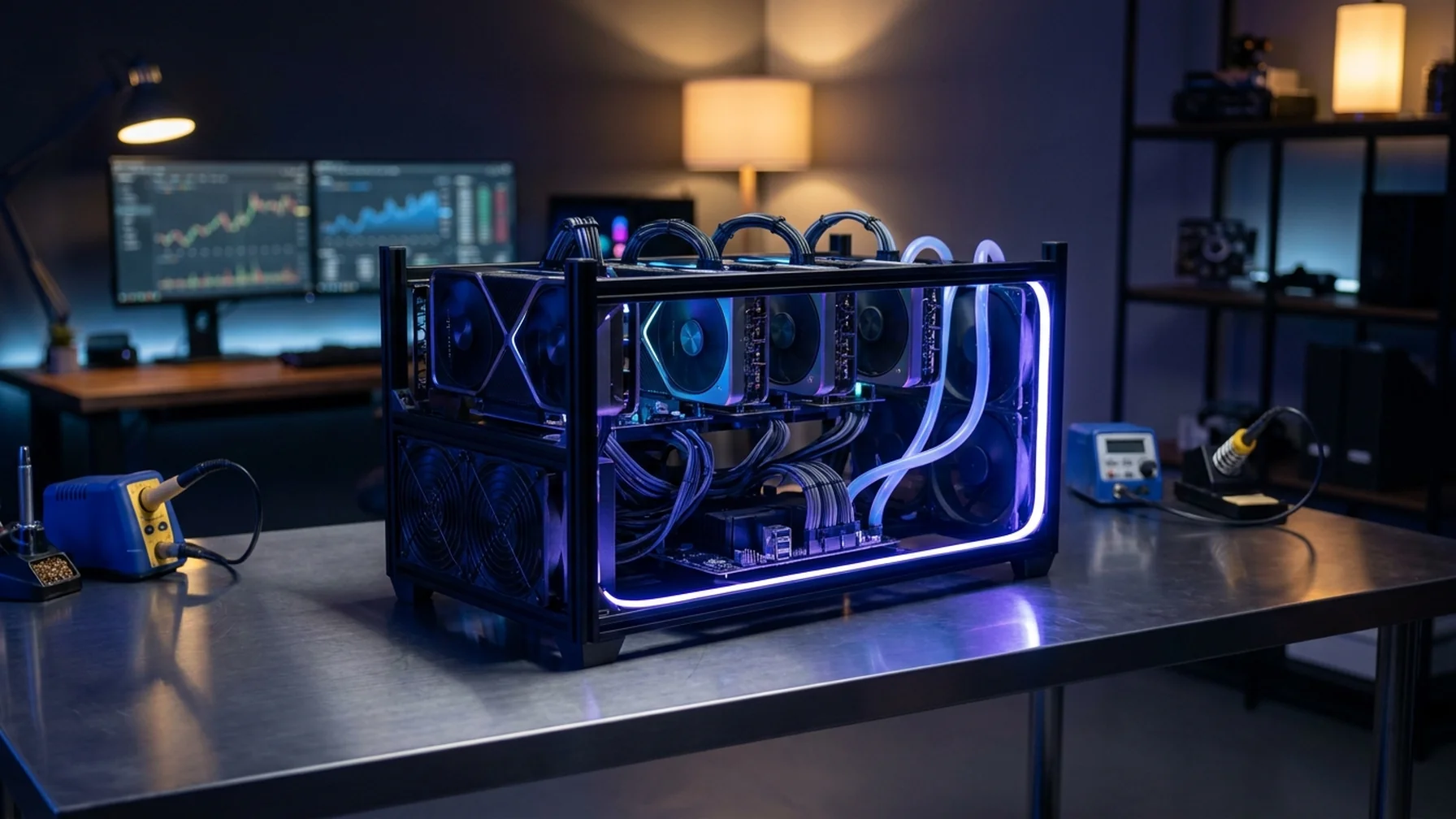
- Assemble the Hardware: Carefully piece together the rig. Ensure components are securely connected and arrange cables neatly to avoid airflow obstruction.
- Install Mining Software: Choose software that matches your cryptocurrency preference and is compatible with your hardware.
- Join a Mining Pool: Pooling resources with other miners increases your chances of earning rewards consistently. Look for pools with low fees and good reputation.
- Monitor and Optimize: Regularly track the rig's performance. Make necessary adjustments to settings to enhance efficiency and reduce energy consumption.
Successfully setting up a mining rig involves attention to detail and regular monitoring to maximize profitability.
Comparing GPUs: A Closer Look
Choosing the right GPU can significantly impact your mining rig's effectiveness. Here's a comparison of popular models:
GPU Comparison Table:
| GPU Model | Hash Rate | Power Consumption |
|---|---|---|
| NVIDIA RTX 3080 | 97 MH/s | 320W |
| AMD Radeon RX 5700 XT | 54 MH/s | 225W |
Consider both hash rate and power consumption when choosing a GPU. Higher hash rates improve mining speed, while lower power consumption helps reduce electricity costs.
Is Mining Profitable? Key Factors to Consider
Mining profitability is influenced by several factors, including electricity costs, mining difficulty, and cryptocurrency market prices. Assess these variables before investing in a mining rig to ensure potential returns outweigh the costs.
Home Mining Setup: Balancing Cost and Performance
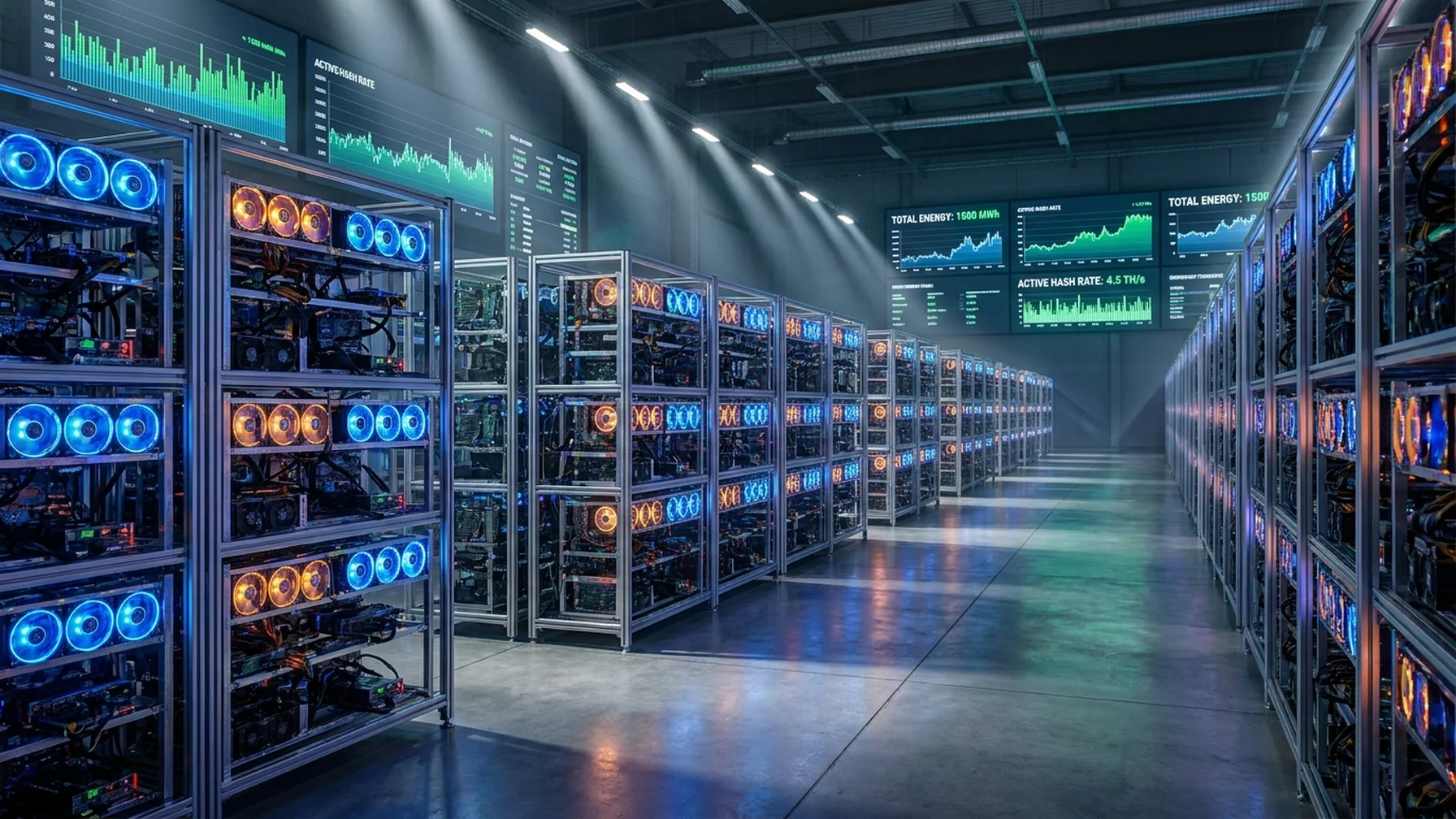
While large operations dominate mining, home setups are viable with careful planning. Choose between ASICs and GPUs, understand mining difficulty, and evaluate electricity usage to keep operations cost-effective.
ASIC vs. GPU Mining: Which is Right for You?
ASIC miners are hardware specialized for specific cryptocurrencies, offering high efficiency but at a higher cost. GPUs, however, are more versatile and suitable for multiple cryptocurrencies, making them a flexible choice for beginners.
Understanding Mining Pools: A Beginner's Advantage
Joining a mining pool can increase your chances of earning rewards consistently. Miners in a pool share computational resources and split rewards based on contribution, providing a more stable income compared to solo mining.
Environmental Impact and Energy Efficiency in Mining
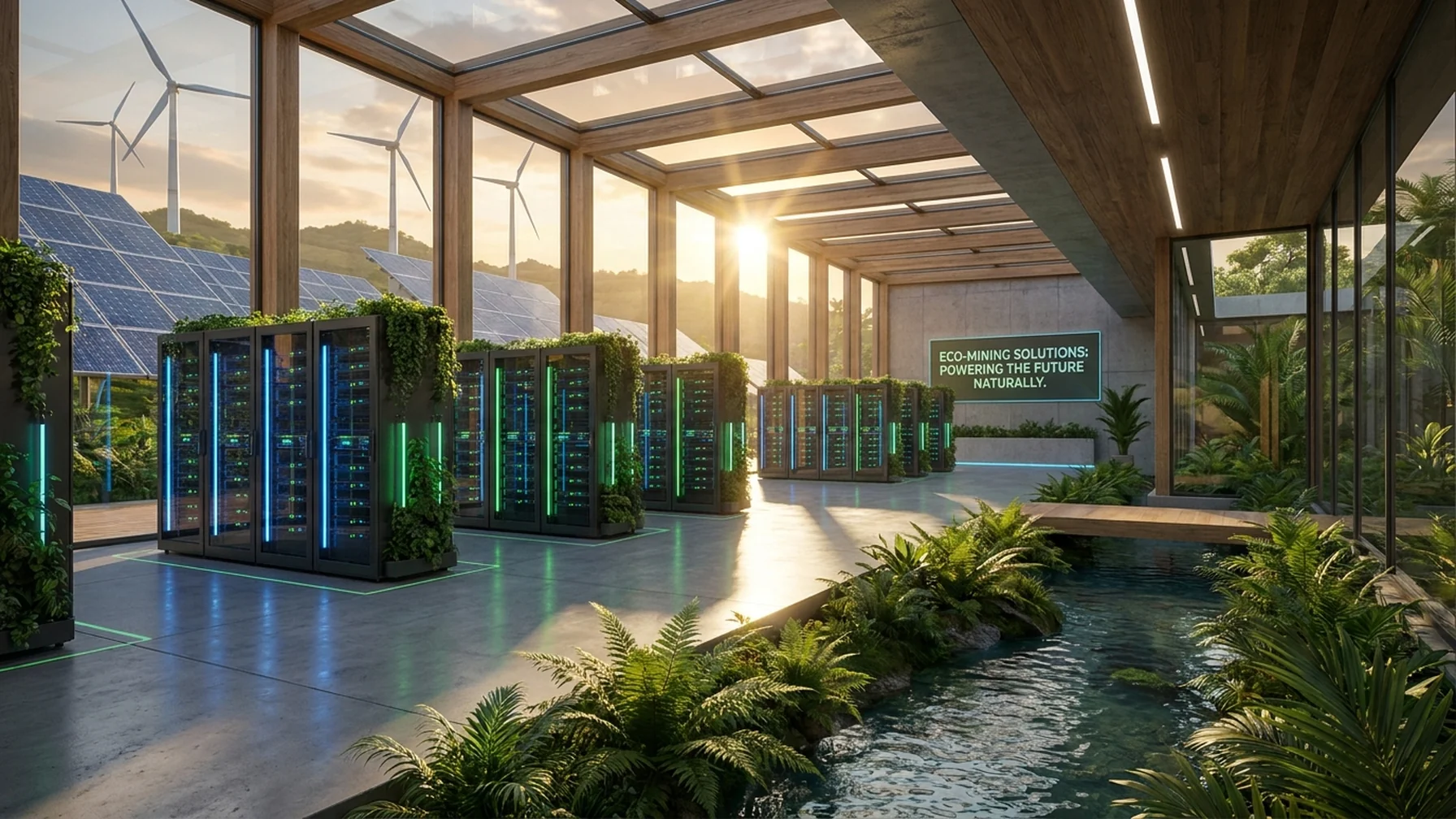
Mining consumes a significant amount of electricity, impacting the environment. Opt for energy-efficient hardware and consider renewable energy sources like solar power to minimize your carbon footprint. Performance optimization can further reduce energy consumption.
The Future of Bitcoin Mining: What to Expect
Bitcoin halving events, which reduce mining rewards by half every four years, impact profitability. As the total number of bitcoins nears its cap of 21 million, the dynamics of mining will continue to evolve, requiring miners to adapt to changing conditions.
Building a mining rig is a rewarding endeavor that requires careful planning and consideration. By selecting the right components, joining a mining pool, and optimizing for efficiency, you can successfully navigate the competitive world of cryptocurrency mining.