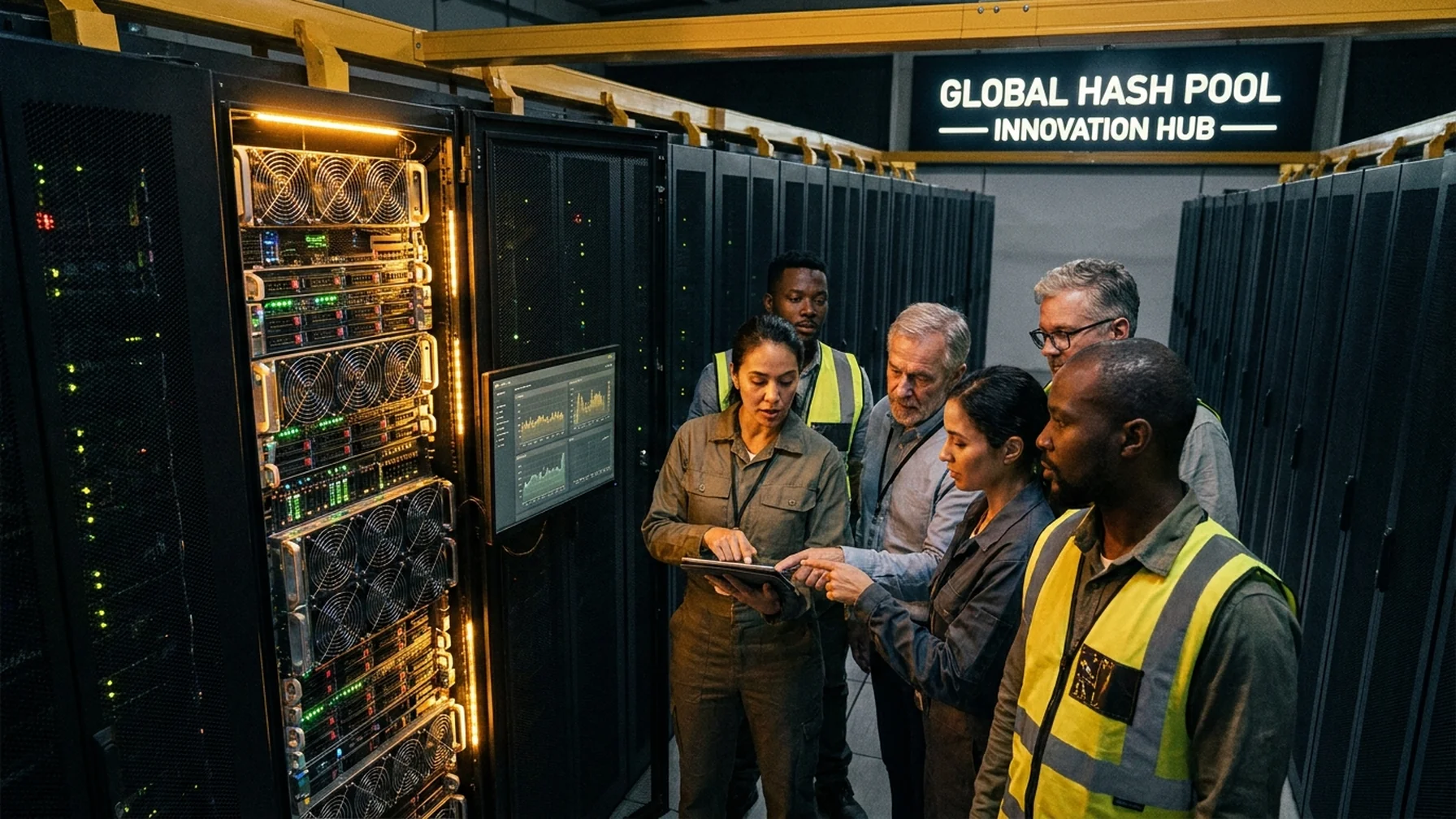
Exploring Proof of Work Algorithms in Cryptocurrency Mining
Table of Contents

Discover how proof of work algorithms power cryptocurrency mining, ensuring transaction security and influencing mining profitability in our in-depth...
Proof of work algorithms are central to cryptocurrency mining, particularly in networks like Bitcoin. These algorithms ensure transaction integrity and security. In this article, we will delve into the concept of proof of work, its role in crypto mining, and how it impacts the mining process and profitability. We'll also explore the differences between various mining methods and hardware.
Understanding Proof of Work Algorithms
Proof of work (PoW) is a consensus mechanism used in blockchain networks to validate transactions and add them to the ledger. It requires miners to solve complex mathematical puzzles using computational power. The first miner to solve the puzzle gets to add a new block to the blockchain and receives cryptocurrency as a reward. This process is essential for preventing double-spending and securing the network against attacks.
How Proof of Work Operates in Blockchain
Proof of work algorithms involve several steps to ensure the security and integrity of blockchain networks. Here's an overview of how these algorithms function:
- Define a cryptographic problem that requires finding a hash below a specific target.
- Utilize computational resources to generate possible solutions through a process called hashing.
- Verify the solution and append the block to the blockchain once a valid hash is found.
These steps illustrate the fundamental workings of proof of work algorithms, which are crucial for maintaining decentralized networks.
Key Features of Proof of Work
- Requires solving complex mathematical problems to validate transactions.
- Prevents double-spending and secures the network from potential attacks.
- Incentivizes miners with cryptocurrency rewards to maintain network operations.
Despite its importance, proof of work has faced criticism for its environmental impact due to high energy consumption. However, it remains a cornerstone of many cryptocurrency networks.
Comparing Mining Hardware: ASIC vs. GPU
Mining hardware plays a crucial role in determining the efficiency of cryptocurrency mining. The two main types are ASICs (Application-Specific Integrated Circuits) and GPUs (Graphics Processing Units). Here's a comparison of their features:
| Feature | ASIC | GPU |
|---|---|---|
| Efficiency | High | Moderate |
| Versatility | Low (specific to one task) | High (useful for various tasks) |
| Speed | Fast | Slower compared to ASICs |
| Cost | Higher | Lower |
ASICs are more efficient and faster but lack versatility, while GPUs offer flexibility and can be used for other purposes beyond mining.
Building a Mining Rig
To engage in cryptocurrency mining, building a mining rig is essential. This involves selecting the right components and assembling them. Here are the steps to build a mining rig:
- Select GPUs or ASICs appropriate for your mining needs.
- Choose a reliable power supply that meets the power requirements.
- Install an effective cooling solution to manage heat.
- Assemble the hardware components in a suitable case.
- Install and configure mining software to begin operations.
By carefully selecting and assembling these components, you can create an efficient mining rig that enhances profitability.
Mining Pools vs. Solo Mining
Miners can choose between solo mining and joining a mining pool. Solo mining involves working independently, which can lead to higher rewards but also higher risks due to the variance in earning potential. In contrast, mining pools allow miners to combine their computational resources, increasing the chances of solving cryptographic puzzles and earning consistent payouts. This approach is especially beneficial for small-scale miners.
Environmental Impact of Bitcoin Mining
The high energy consumption of Bitcoin mining has raised environmental concerns. As the network expands, its energy usage grows, prompting miners to seek more sustainable solutions. Some have turned to renewable energy sources like solar power to mitigate environmental effects while reducing electricity costs.
Impact of Bitcoin Halving on Mining
Bitcoin halving occurs approximately every four years, reducing the reward for mining new blocks by half. This impacts miner earnings and can influence market prices. To maintain profitability, miners often upgrade hardware or seek more efficient energy sources. The reduced supply of new Bitcoins can also affect market dynamics.
Proof of work algorithms are integral to the crypto mining landscape, shaping how transactions are processed and secured. As the industry evolves, miners must adapt to changing conditions, balancing profitability and energy efficiency.