Understanding How Bitcoin Mining Works
Table of Contents
Explore the essentials of Bitcoin mining, including transaction validation, proof of work, and the hardware needed to secure the network and earn rewards.
Bitcoin mining is a fundamental process in the cryptocurrency ecosystem, especially for Bitcoin. It ensures transaction validation and network security. To understand how Bitcoin mining works, it's crucial to explore crypto mining, proof of work, and the necessary hardware. This guide will walk you through these elements and more, providing a comprehensive overview of the bitcoin mining process.
What is Crypto Mining?
Crypto mining involves validating transactions on a blockchain network and adding them to the public ledger. Miners use powerful computers to solve complex mathematical problems. This process secures the network and prevents fraud. Successful miners earn rewards in the form of newly minted coins, such as Bitcoin.
How Does Bitcoin Mining Work?
Bitcoin mining operates on the proof-of-work system. Miners compete to solve cryptographic puzzles as quickly as possible. The first miner to solve a puzzle adds a new block to the blockchain and receives Bitcoin as a reward. This process requires substantial computational power and energy, making the endeavor both resource-intensive and competitive.
Building a Bitcoin Mining Rig
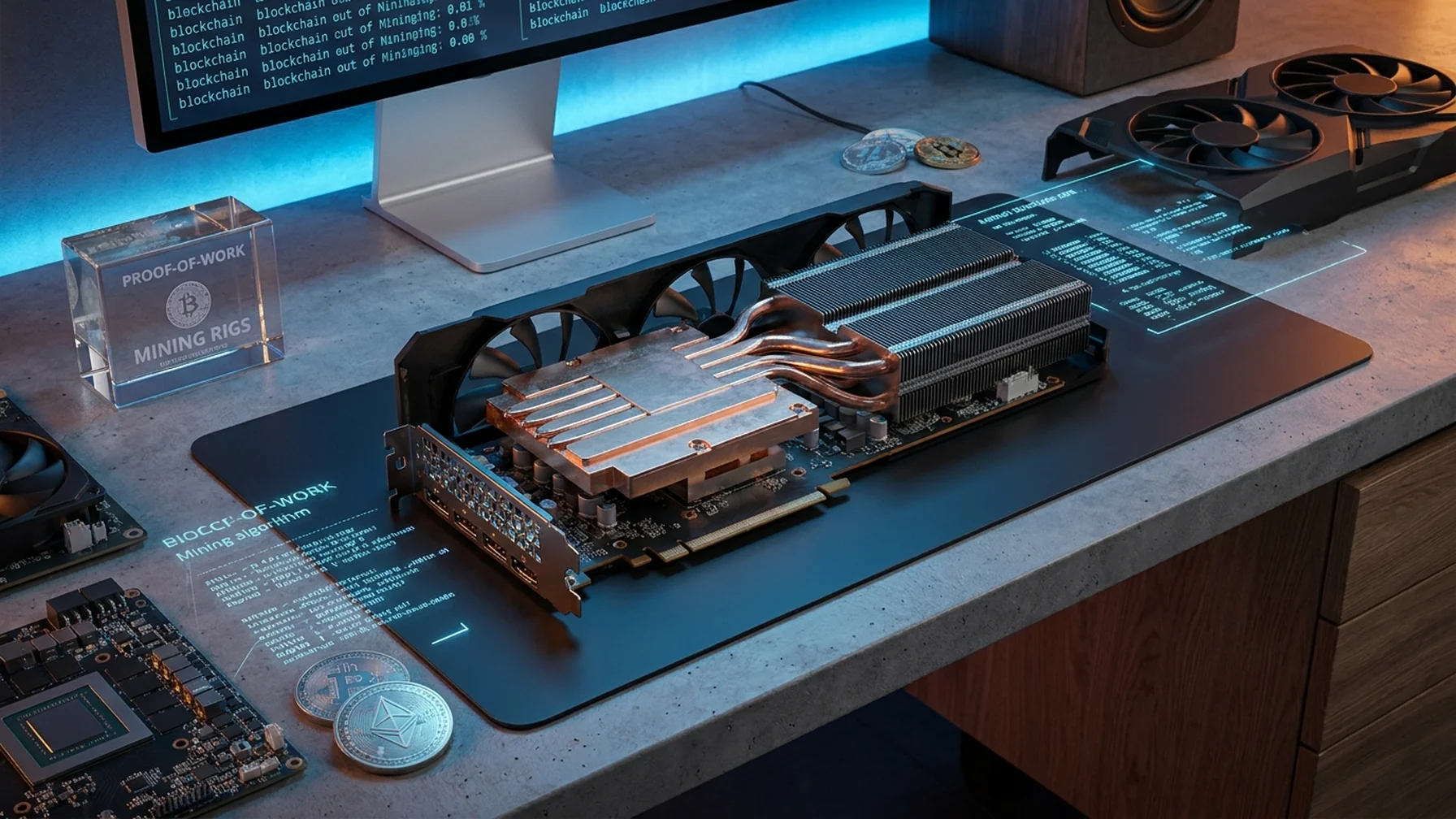
Building a mining rig involves selecting and assembling the right components for efficiency. Here’s a checklist of essential components for a typical mining rig setup:
- Graphics Processing Units (GPUs) or Application-Specific Integrated Circuits (ASICs)
- Power supply unit (minimum 750W, 80+ Gold certified)
- Motherboard (supports multiple GPUs)
- RAM (at least 8GB)
- Efficient cooling solutions (air or liquid)
Once you have these components, assemble them carefully, following manufacturer instructions to avoid damage.
Bitcoin Mining Hardware and Configuration
Choosing the right hardware is crucial for efficient mining. Here's a basic configuration guide for a mining rig:
Basic Configuration Guide:
| Component | Recommended Specs |
|---|---|
| GPU | High performance (e.g., NVIDIA RTX 3080) |
| Power Supply | Minimum 750W, 80+ Gold certified |
| Motherboard | Supports multiple GPUs |
| RAM | At least 8GB |
| Cooling | Efficient air or liquid cooling system |
With proper configuration, your mining rig will be ready to mine efficiently.
Proof of Work Explained
Proof of Work (PoW) is a consensus mechanism used in Bitcoin mining. It requires miners to perform substantial computational work to validate transactions and secure the network. Although PoW is energy-intensive, it provides strong security against fraudulent activities.
Factors Affecting Mining Profitability
The profitability of Bitcoin mining depends on several factors:
- Electricity costs: Lower costs increase profitability.
- Hardware efficiency: Efficient devices yield better results.
- Bitcoin market value: Higher values improve returns.
As more miners join the network, competition increases, impacting profitability. Analyzing these factors helps determine if mining can be profitable.
Mining Pools vs. Solo Mining
Miners can choose between mining individually or joining a mining pool. What are the differences?
- Solo Mining: Miners work independently, keeping all rewards. This method can yield larger, though less frequent, payouts.
- Pool Mining: Miners join forces, sharing computational resources and rewards. This results in more consistent, though smaller, payouts.
Many miners opt for pool mining due to its more reliable earning potential.
Environmental Impact of Bitcoin Mining
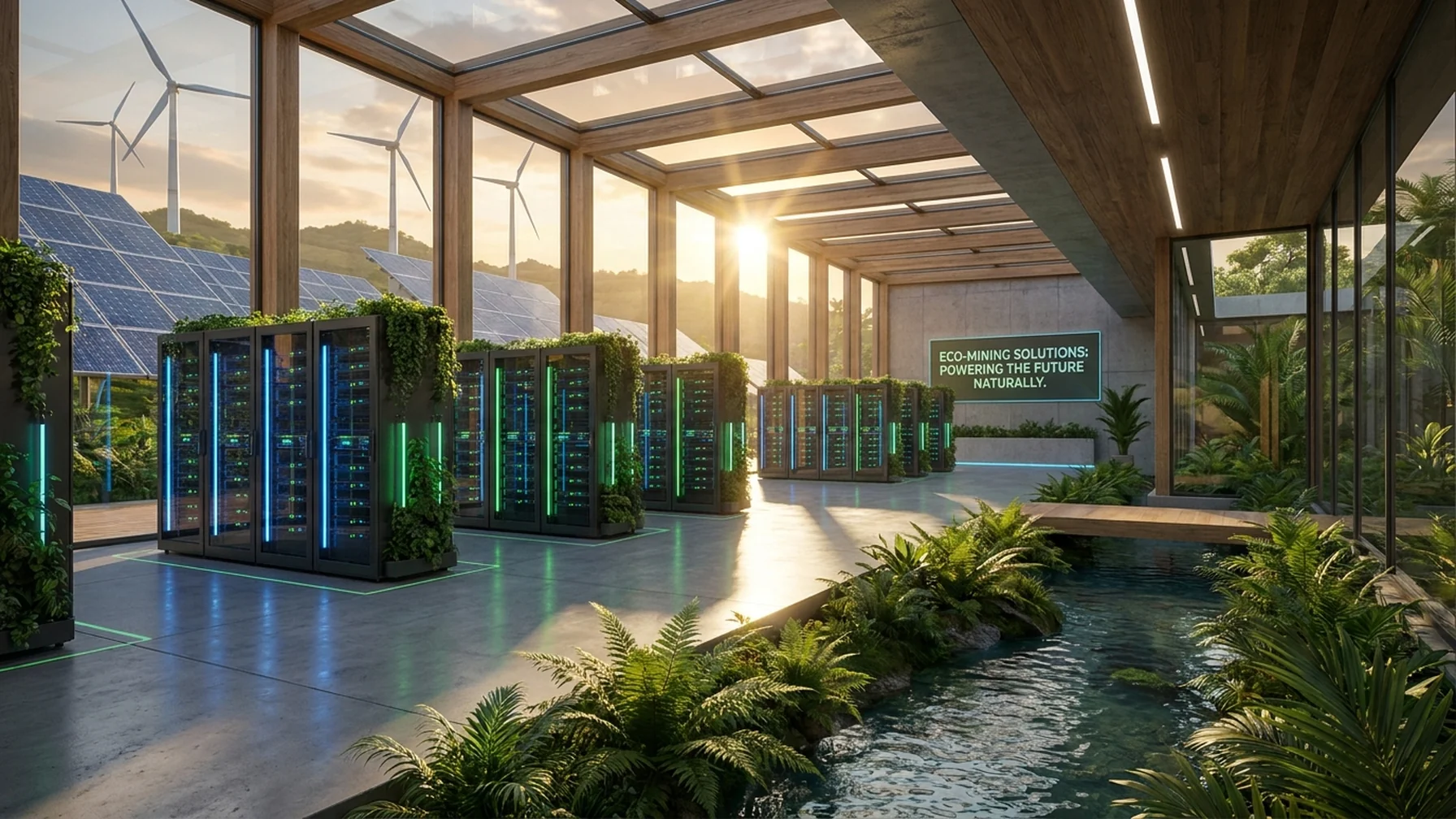
Bitcoin mining consumes significant electricity, raising environmental concerns. Reducing this impact involves using renewable energy sources and optimizing hardware efficiency. These steps can help make mining more sustainable.
Can You Still Mine Bitcoin at Home?
Mining Bitcoin at home is technically possible but challenging due to high electricity costs and the need for specialized hardware. Home miners often struggle to compete with large-scale operations that benefit from economies of scale and lower electricity rates.
What Happens When All Bitcoin is Mined?
Eventually, the maximum supply of Bitcoin (21 million) will be reached. At that point, miners will no longer receive block rewards. Instead, they will earn transaction fees, which should encourage continued network security efforts.
Understanding these key aspects of Bitcoin mining helps clarify the process and its role within the cryptocurrency ecosystem, as well as the challenges it faces in terms of sustainability and future viability.